
Written by:
Pierce J.
Published:
June 17, 2026
Learn how to build a realistic moving budget from scratch — covering hiring movers, truck rentals, packing supplies, and the hidden costs most people miss.
Building a realistic moving budget before your relocation is one of the highest-leverage things you can do to reduce stress and avoid surprises on moving day. Most people underestimate what a move actually costs — not because they are careless, but because moving has a way of generating expenses in categories no one thinks about until the invoice arrives. A well-constructed moving budget changes that entirely. It gives you a clear picture of what you will spend, where your money is going, and where you can make smarter trade-offs.
This guide walks you through every major cost category in a residential move: hiring professional movers, truck rentals, packing materials, storage, travel, and the hidden expenses that routinely catch people off guard. Whether you are moving across Nashville or relocating from another state, the framework here will help you plan with confidence.
The largest variable in any moving budget is the method you choose to move your belongings. Your three primary options each carry dramatically different price points, and the right choice depends on your budget, the size of your home, your physical ability to help, and how far you are moving.
Full-service movers handle loading, transportation, and unloading — and many offer packing services as well. For a local move within Nashville, professional moving companies typically charge by the hour, with rates that vary based on crew size and the volume of belongings. A one-bedroom apartment might take two to three hours with a two-person crew, while a four-bedroom home can require six to eight hours or more with a larger team. Long-distance moves are generally priced by weight and mileage rather than hourly rates.
Getting at least two to three written quotes before committing to a mover is strongly recommended. Quotes can vary considerably between companies for the same job, and a written estimate protects you from unexpected charges on moving day. Ask specifically whether the quote is binding or non-binding, and what fees apply if the move takes longer than estimated.
Renting a moving truck and doing the labor yourself is typically the least expensive option for a local move. Base rental rates for a truck are usually reasonable, but the final cost climbs when you add mileage fees, fuel, insurance, and equipment rentals like dollies and moving blankets. Factor in the physical labor involved and any help you will need from friends or family before treating the DIY route as purely the budget option.
Portable storage containers occupy a middle ground. A container is delivered to your home, you fill it at your own pace, and the company transports it to your destination. This option works well for people who need flexibility around their move-out and move-in dates. Costs typically include a delivery fee, a monthly rental fee while you have the container, and a transport fee.
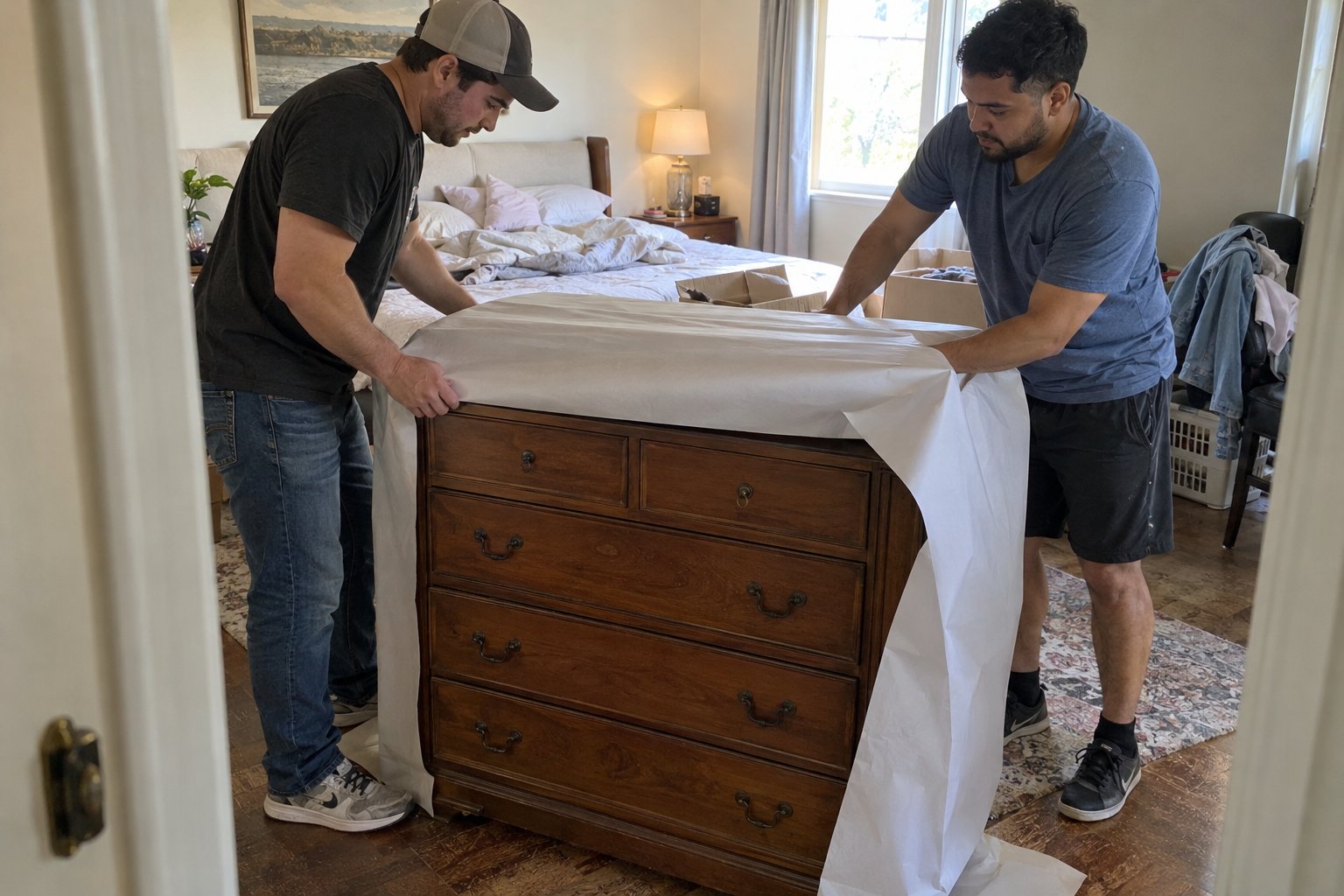
Packing materials add up faster than most people expect. A thorough packing supply budget should include boxes in multiple sizes, packing tape and a dispenser, bubble wrap or packing paper, stretch wrap for furniture, and markers for labeling. If you are packing a full three-bedroom home, the quantity of materials required is substantial.
There are several legitimate ways to reduce what you spend on packing materials without compromising the safety of your belongings. Liquor stores, bookstores, and grocery stores regularly have sturdy free boxes available — call ahead and ask when they receive shipments. Towels, linens, and clothing can substitute for bubble wrap around fragile items. Buy-nothing groups and neighborhood apps like Nextdoor frequently have people giving away boxes from recent moves. Buying what you cannot source for free from a moving supply store rather than renting a truck with an add-on kit is often more cost-effective.
If your time is limited or you have a large number of fragile or high-value items, professional packing services may be worth adding to your budget. Movers who pack your home charge by the hour or by the room and bring their own materials. This adds to the overall cost but removes a significant amount of pre-move labor and reduces the risk of breakage for items like dishes, artwork, and electronics.
The most common reason a moving budget gets blown is not the big-ticket line items — it is the accumulation of smaller costs that were never planned for. Building these into your budget from the start prevents the sinking feeling of watching the total climb past what you expected.
Setting up utilities at your new home — electricity, gas, internet, water — sometimes involves connection fees or deposits, particularly if you are establishing service in a new city or have a limited credit history with the provider. Contact your utility companies before your move to understand what fees to expect.
Many leases require the property to be professionally cleaned before you return the keys. Even homeowners often hire a cleaning crew to prepare the previous home for sale or the new home for arrival. Budget for cleaning at both ends of your move if either situation applies to you.
If your move-out date and move-in date do not align perfectly — a common situation — you may need short-term storage for some or all of your belongings. Storage unit costs vary by size and location, so get a quote early and build the expected number of weeks into your budget. Some moving companies offer short-term storage as part of their service, which can simplify logistics.
Tipping your moving crew is customary and genuinely appreciated for a job done well. A common guideline is $20 to $50 per mover for a local move, with larger tips for exceptionally difficult jobs, very large homes, or long moves. This is not a mandatory expense, but it is a meaningful one that belongs in your budget rather than being an afterthought when the truck pulls away.
Moves frequently reveal that certain items — furniture that does not fit the new layout, hardware that was lost during packing, curtain rods for windows in a different size — need to be replaced or purchased new. Setting aside a contingency fund of several hundred dollars for these incidental purchases is a practical move for almost any household.
With a full picture of the cost categories involved, the actual process of building your budget is straightforward. The goal is a single document or spreadsheet that captures estimated costs across every category before any money is spent, and tracks actual costs as they accrue.
Walk through every room and make a realistic assessment of what you are moving. The volume and weight of your belongings is the primary driver of professional mover quotes, truck size requirements, and packing material needs. This is also a natural moment to decide what you will sell, donate, or discard rather than move — reducing your load almost always reduces your cost.
Collect written quotes for the moving method you are leaning toward and at least one alternative. For professional movers, request in-home or virtual estimates rather than phone estimates — the accuracy improves significantly when the estimator can actually see what needs to be moved. For truck rentals, compare total costs across different rental companies, including all fees and insurance, not just the base rate.
Using the categories above as a starting point, build a line-item list that covers movers or truck rental, packing materials, storage if needed, cleaning, utility fees, travel costs if applicable, tips, and a contingency buffer. Assign a realistic estimate to each line. For items where you are genuinely uncertain, research local rates or ask your moving company what they typically see.
Moves almost always produce at least one unexpected cost. A conservative approach is to add 10 to 15 percent to your total estimated budget as a contingency. If the move goes smoothly and the buffer goes unspent, you end up ahead. If something unexpected happens — a move that takes longer than estimated, a piece of furniture that requires special handling, a cleaning fee you had not anticipated — the buffer absorbs it without derailing your finances.
The earlier you start building your moving budget, the more options you have. Booking professional movers well in advance — ideally four to eight weeks before your move date — gives you access to a wider range of scheduling options and may give you more negotiating room on price. Moving companies in Nashville and most cities charge more for peak season moves (late spring through summer) and for moves at the end of the month when demand spikes.
Starting your budget early also gives you time to make deliberate decisions rather than reactive ones. Deciding to hire a professional packing service, rent a portable container, or invest in quality packing materials is a much better experience when you have planned for those costs from the beginning rather than discovering them the week before the move.
If you are planning a move in the Nashville area and want to talk through what your specific situation might cost, contact We Haul Nashville for a straightforward conversation about your move and what to expect.
Local moving costs vary based on home size, crew size, and how long the move takes. Most local movers charge by the hour, and a one-bedroom apartment can often be completed in two to four hours with a two-person crew, while larger homes take considerably longer. Getting two or three written quotes before booking is the best way to understand what your specific move will cost and to avoid surprises on moving day.
The most commonly overlooked moving costs include utility connection and deposit fees at the new address, professional cleaning at the origin and destination, short-term storage if your move-out and move-in dates do not align, tips for your moving crew, and incidental replacement purchases at the new home. Building a 10 to 15 percent contingency buffer into your total budget is a reliable way to absorb these unexpected expenses without stress.
Booking four to eight weeks before your move date is a reasonable target for most local moves. If your move falls during peak moving season — roughly late spring through early fall — or at the end of the month when demand is highest, booking even earlier gives you better scheduling options and may help you secure a more favorable rate. Last-minute bookings are sometimes possible but reduce your flexibility and can cost more.
DIY truck rental typically has a lower base cost than hiring professional movers, but the total cost is closer than it appears once you account for mileage, fuel, insurance, equipment rental, and the value of your time and physical labor. For large homes or moves involving heavy specialty items, professional movers often provide better value when the full picture is considered. Getting quotes for both options before deciding is worth the effort.
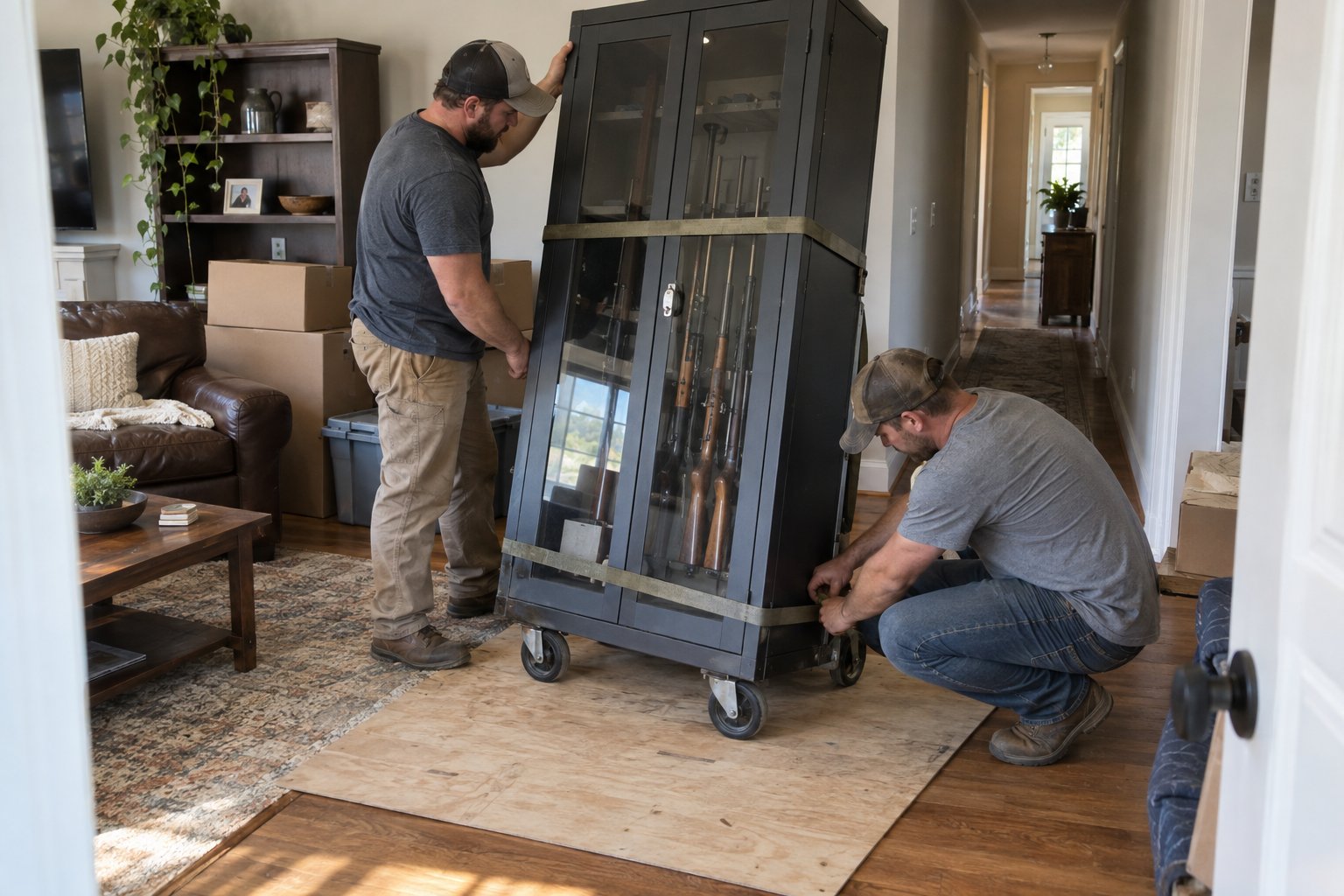
The most effective ways to reduce moving costs while keeping your belongings safe include decluttering before the move to reduce volume and weight, sourcing free boxes from local stores and community groups, using linens and clothing as packing material for non-fragile items, moving during off-peak seasons or mid-month when rates are lower, and booking your movers well in advance to access better pricing. Avoid skimping on protective materials like moving blankets and proper strapping — damaged furniture costs far more than the materials that would have protected it.
Whether you’re moving a home, apartment, office, or just a few heavy items, We Haul Nashville is ready to help make the process easier.