
Written by:
Pierce J.
Published:
June 15, 2026
Learn how to pack a moving truck efficiently and safely with our room-by-room loading guide. Protect your furniture, maximize space, and avoid damage on moving day.
Knowing how to pack a moving truck is one of the most practical skills you can develop before a move — and one of the most commonly overlooked. Most people focus their energy on packing boxes and then improvise once the truck arrives. The result is a load that shifts in transit, furniture that arrives scratched, and a truck that runs out of space before the last bedroom is empty. A little strategy before the first box ever touches the truck bed makes an enormous difference.
This guide walks you through the complete process: what to load first, how to stack safely, how to protect your furniture, and how to make every square foot of truck space count. Whether you are renting a truck and going the DIY route or simply want to understand how professional movers think, these principles will help you arrive at your new home with everything intact.
Efficient truck packing starts before a single item leaves your home. Showing up to load day without the right materials forces you to improvise, and improvising in a moving truck almost always leads to damaged belongings.
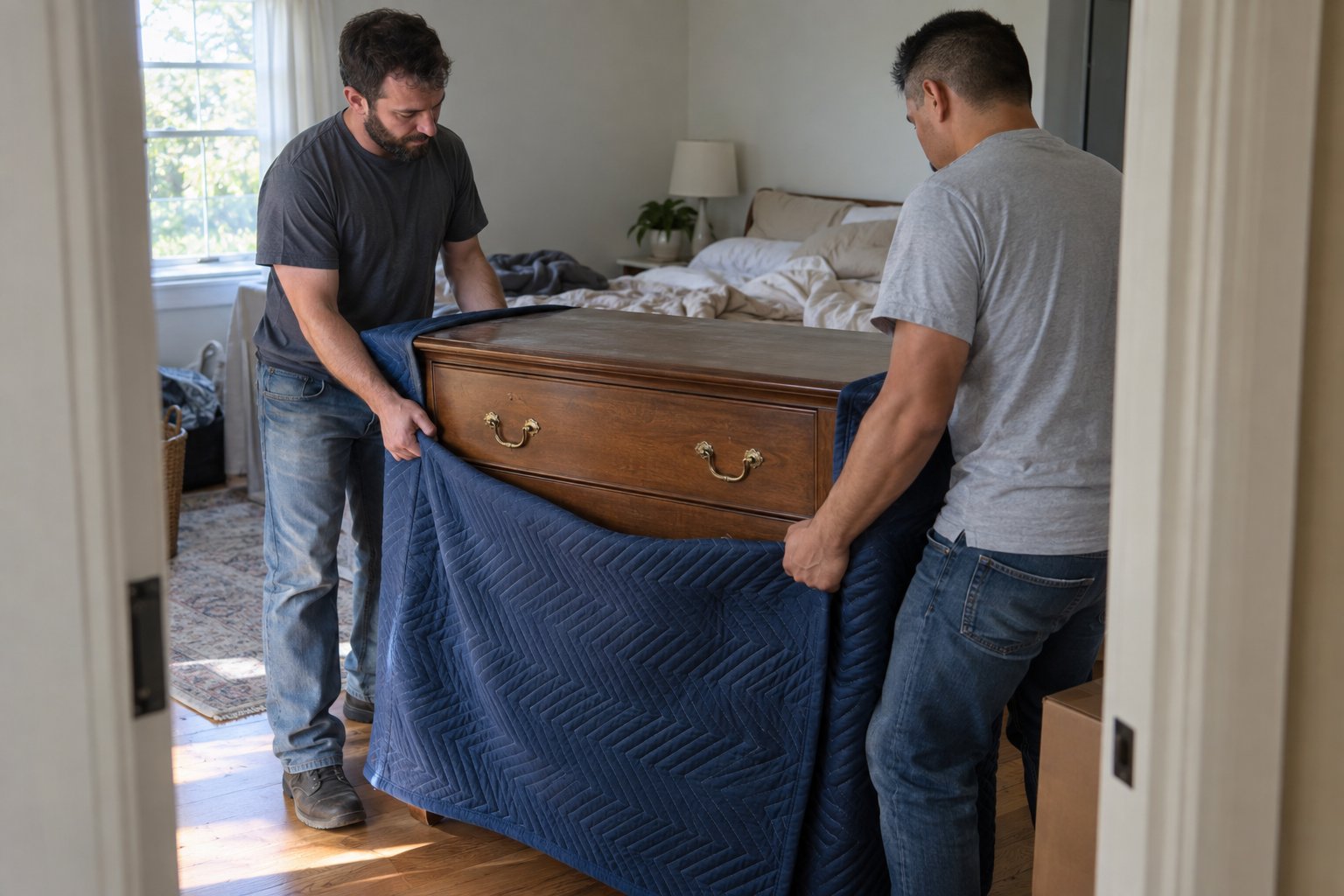
At a minimum, you will want moving blankets (also called furniture pads), stretch wrap or shrink wrap, packing tape, rope or ratchet straps, and dollies or hand trucks. Moving blankets are the single most important protective tool inside a truck — they cushion furniture surfaces from hard edges, prevent scratches during transit, and can be wrapped around almost anything irregularly shaped. Most truck rental companies offer these for a small additional fee, and they are well worth it.
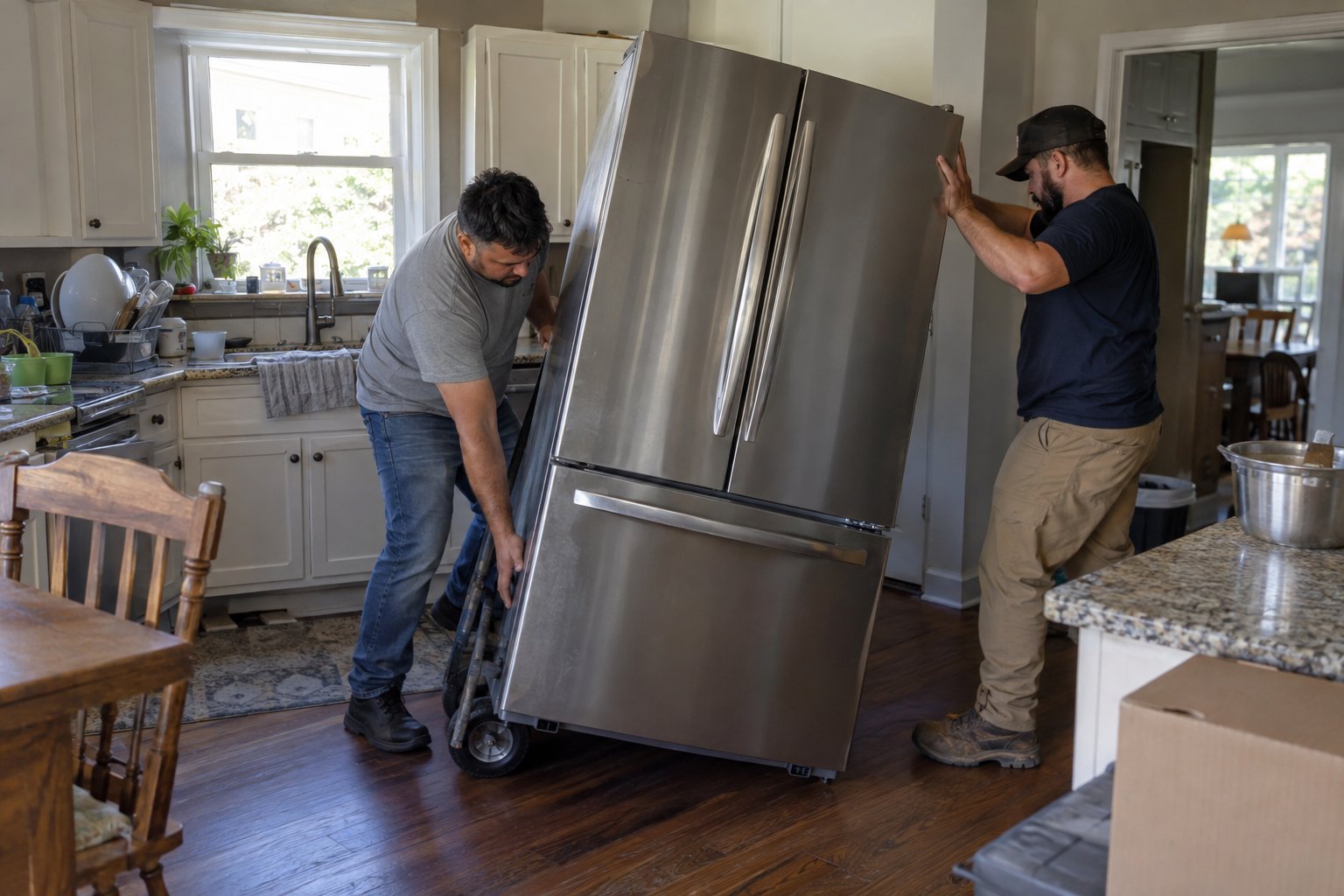
Dollies matter more than most people expect. A flat utility dolly handles appliances and heavy boxes, while an upright two-wheel dolly handles tall, heavy items like refrigerators and bookcases. Trying to drag heavy furniture across a truck floor without a dolly damages both the floor and the furniture, and risks serious injury to the people doing the lifting.
Renting the right truck size prevents the two most common loading failures: running out of room with a load half-finished, or renting a truck so large that items slide freely during the drive. As a rough guide, a 10-foot truck handles a studio or one-bedroom apartment, a 15- to 17-foot truck suits a two-bedroom home, and a 20- to 26-foot truck is appropriate for three or more bedrooms. When in doubt, go one size up — a bit of empty space you can rope off is far better than leaving items behind.
The single most important principle of truck packing is this: load heaviest items first, toward the front of the truck cab, and work toward the rear doors with progressively lighter items. This weight distribution keeps the truck stable on the road and prevents lighter items from being crushed.
The front wall of the truck — the wall closest to the cab — is where your heaviest, most solid items belong. Refrigerators, washing machines, dryers, and chest freezers go here first, standing upright and pushed flush against the wall. Secure them immediately with straps so they cannot shift while you continue loading.
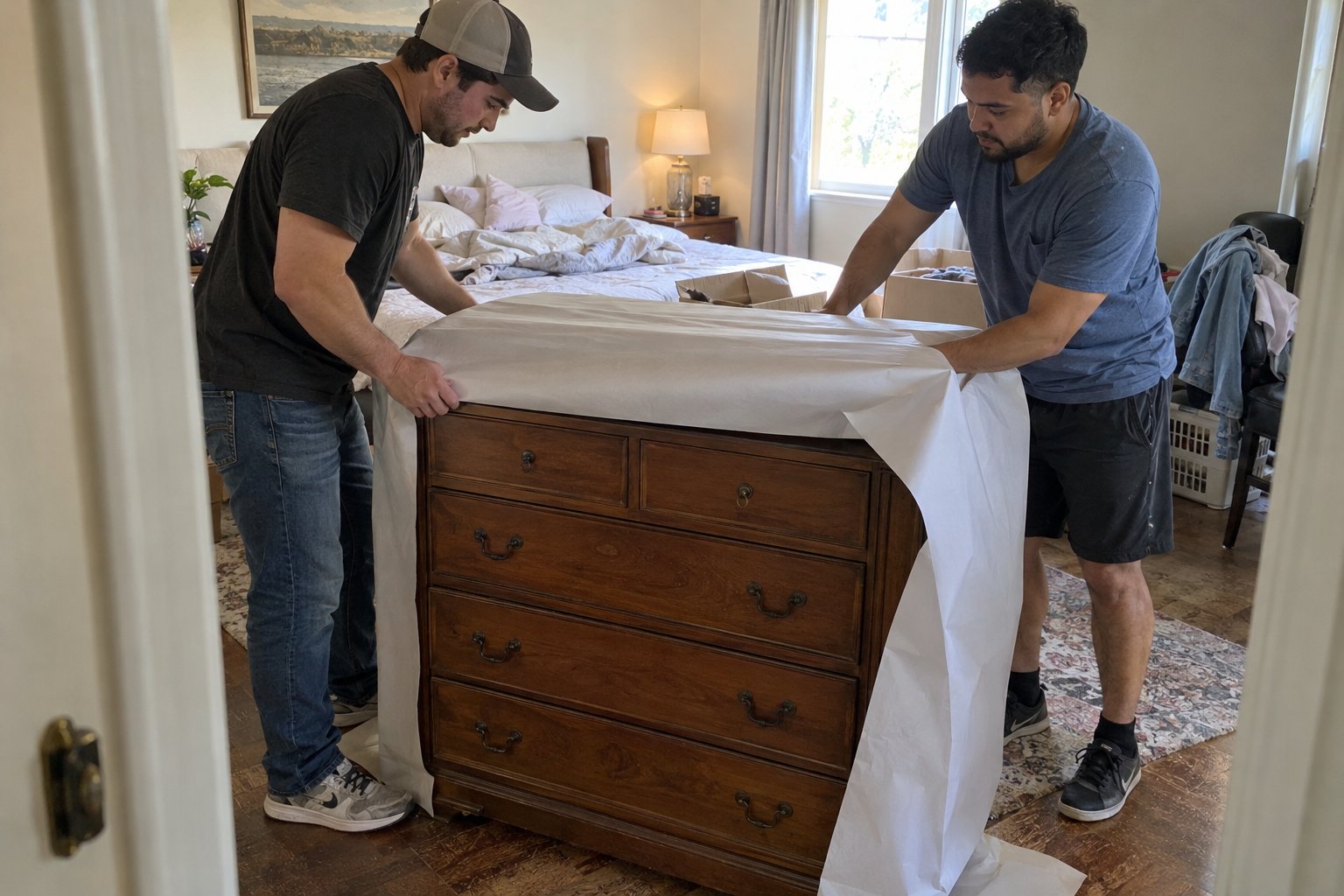
Large furniture pieces follow: dressers, wardrobes, headboards, and bed frames. Stand upright pieces vertically whenever possible — a dresser takes up far less floor space on its side than you might expect, and leaning it against the cab wall keeps it stable. Remove drawers from dressers before loading the frame; drawers can be stacked separately or used as bins for soft items like linens.
The middle section of the truck is for medium-weight furniture and boxes: dining tables (disassembled if possible, tabletop protected with moving blankets), chairs stacked seat-to-seat, bed mattresses and box springs, and medium-weight box loads. Mattresses and box springs should be kept upright against a side wall of the truck, not laid flat on the floor where they become a platform for other items to crush them.
This is also where you stack your heavier boxes — books, kitchen items, tools — toward the bottom, with medium-weight boxes on top. Never stack boxes higher than your ability to see a clear path when carrying them out on the other end.
The rear of the truck, closest to the loading doors, is reserved for items you will need first and items most vulnerable to damage: lamps, artwork, mirrors, lightweight boxes of linens, and anything marked fragile. These are the last items loaded and the first items off the truck, which reduces the number of times they are handled and the risk that heavier items will fall onto them during transit.
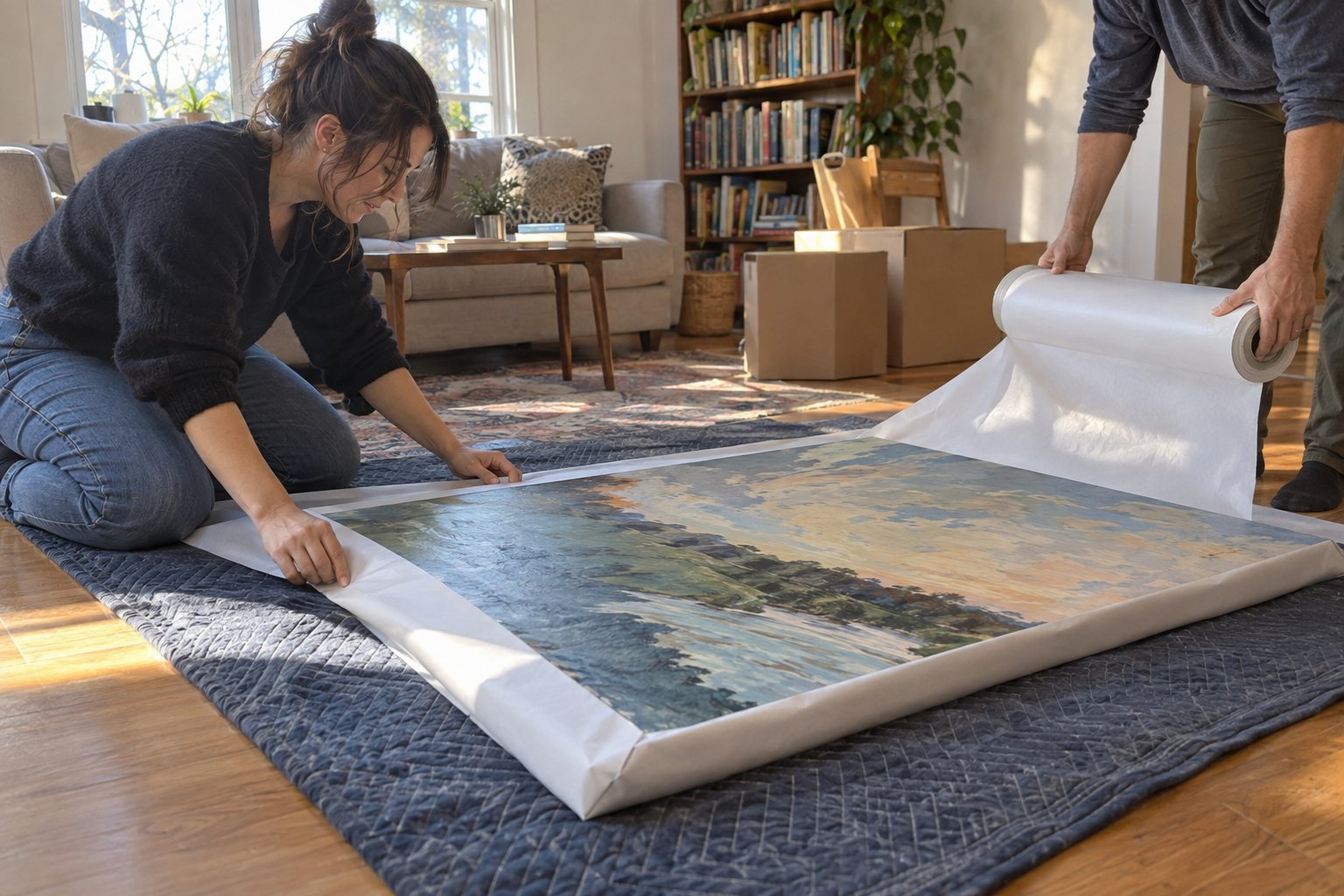
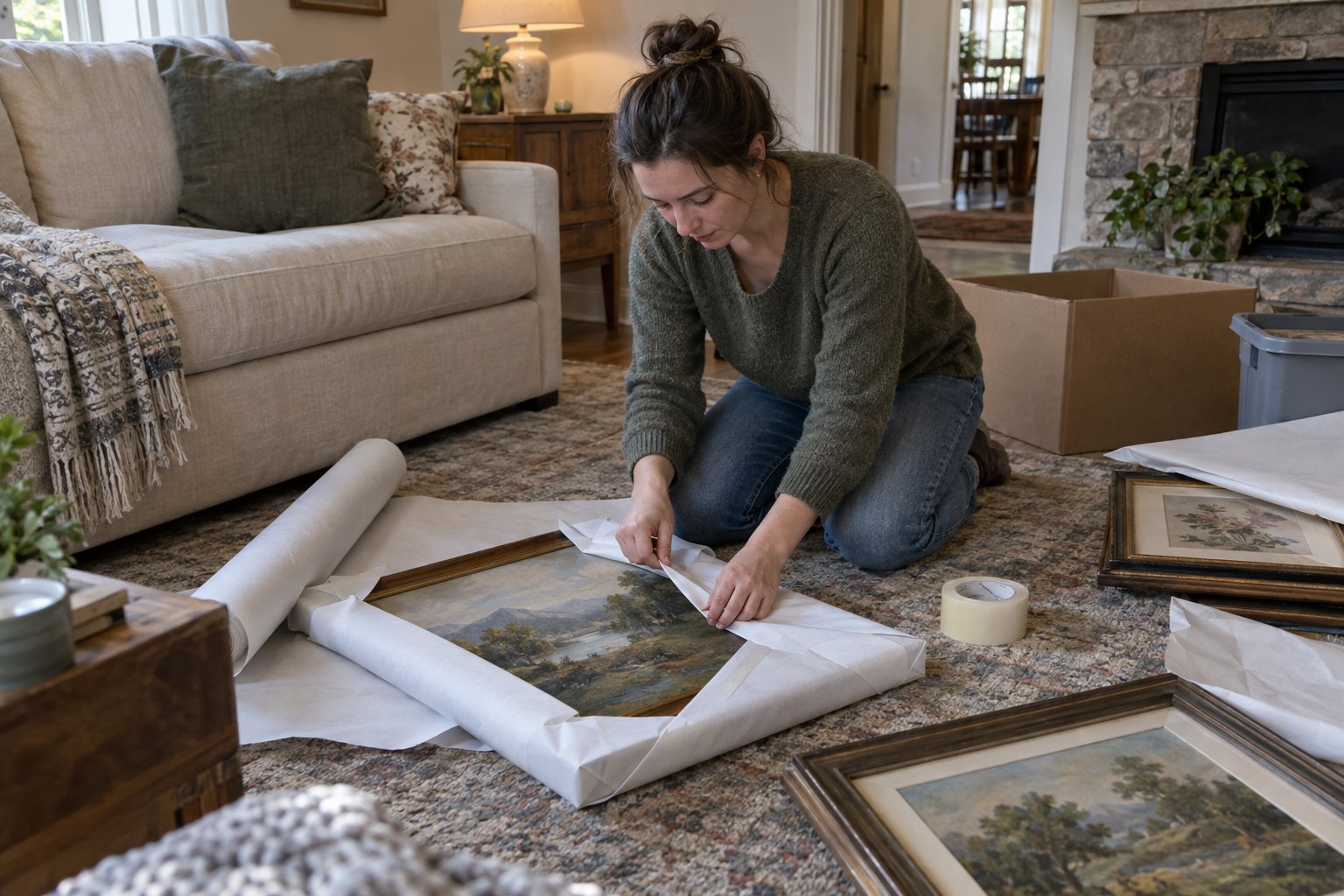
Mirrors and framed artwork should travel vertically, never flat. A mirror laid flat on top of a pile of boxes will not survive a single hard stop. Stood on its long edge and wrapped in moving blankets, braced between two solid pieces of furniture, it is far more likely to arrive unscathed.
A well-packed moving truck uses nearly all of its vertical space, not just the floor. Leaving tall gaps above boxes wastes capacity and actually makes the load less stable, because boxes can tip into empty air space when the truck corners or brakes.
Pack boxes in tight vertical columns, each column as close to the ceiling as the box sizes allow. Place the heaviest boxes at the base and the lightest at the top of each column. Uniformly-sized boxes from a moving supply store stack far more cleanly than an assortment of random shapes, which is one of the practical reasons to invest in standard box sizes before packing.
If you have boxes of different heights, use smaller boxes to fill gaps and complete columns. Partially-filled boxes should be topped up with crumpled paper, towels, or clothing before closing so they do not collapse under weight from above.
Pillows, comforters, sleeping bags, and stuffed animals are excellent void-fillers. Push them into gaps between furniture pieces, between box columns and the truck wall, and on top of columns that do not quite reach the ceiling. They add no meaningful weight, they protect against vibration and shifting, and they make use of space that would otherwise be wasted.
The loading process is when most furniture damage actually happens — not during the drive. Corners strike door frames, surfaces scrape against other furniture, and items slide across metal truck floors. A few protective habits make a significant difference.
Moving blankets should cover any furniture surface that is in contact with the truck wall, the floor, or another piece of furniture. Pay particular attention to wood corners and edges, which are the first things to show damage. Wrap table legs individually if possible, and use stretch wrap to hold moving blankets in place so they do not slip during loading.
Disassemble what you reasonably can. Remove legs from tables and sofas, take apart bed frames, and remove shelves from bookcases. Smaller components are easier to protect, easier to carry, and take up less space in the truck. Keep all hardware — bolts, screws, cam locks — in labeled zip-lock bags taped to the corresponding piece of furniture.
Ratchet straps are not optional. Even on smooth roads, a truck full of furniture will experience enough movement to shift an unsecured load. Run straps horizontally across the load at intervals of roughly four to five feet, anchoring to the tie-down rings built into the truck walls. Stacked boxes against each wall, with a strap running across the front face of the column, hold the stack in place far more effectively than simply hoping nothing moves.
Even experienced movers fall into a handful of predictable traps. Being aware of them before you start loading saves you real time and real money.
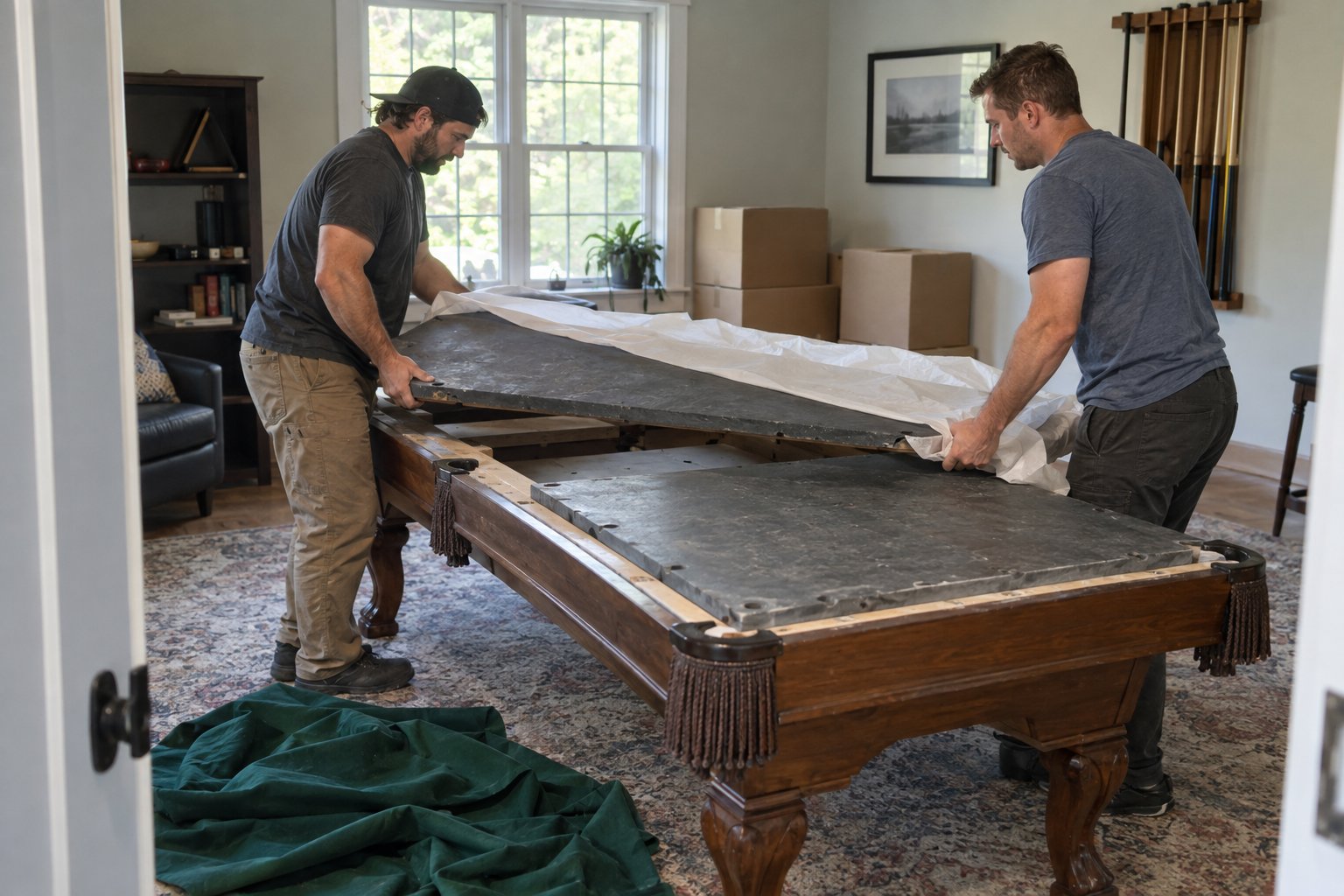
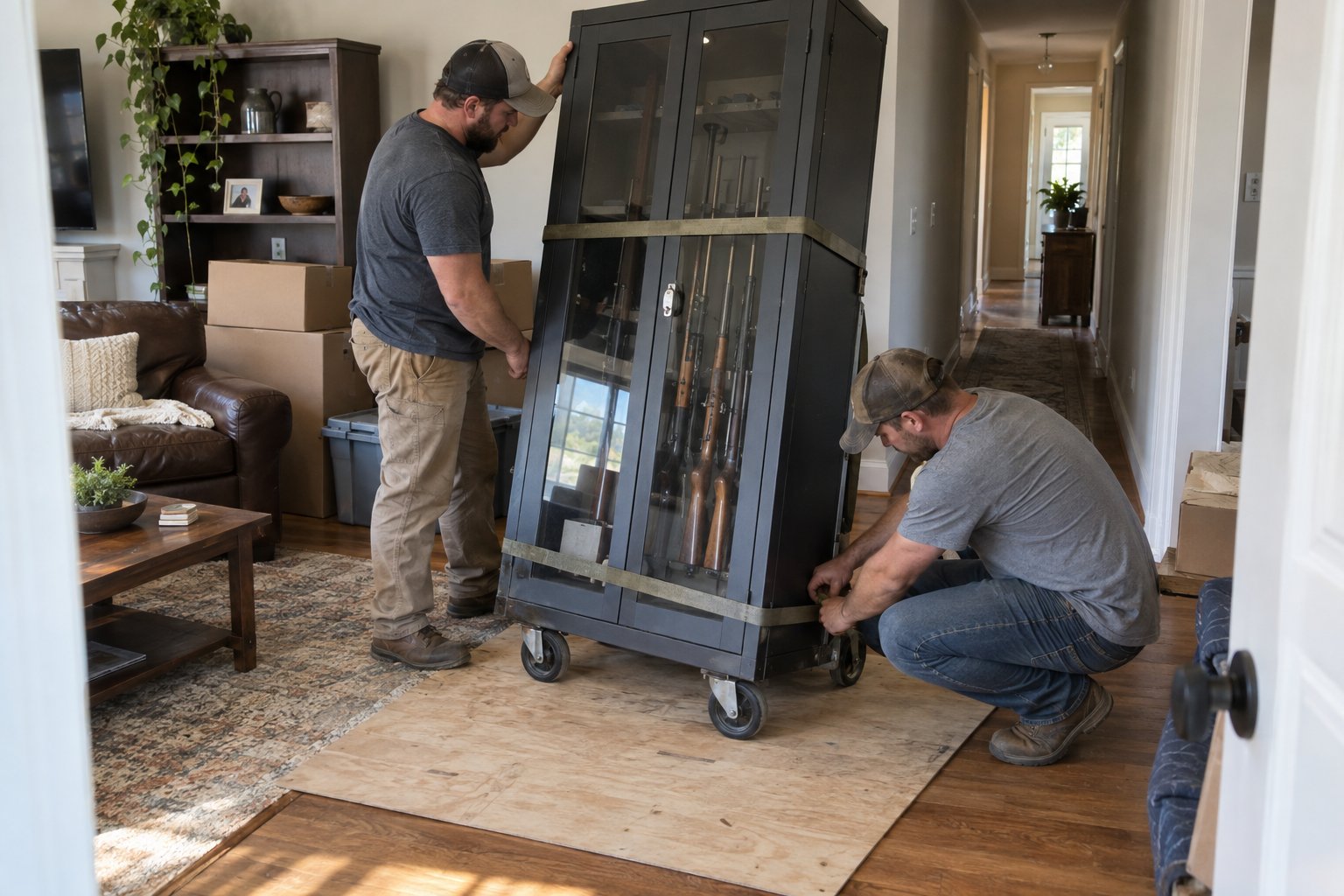
DIY truck packing works well for straightforward moves, but some situations genuinely call for professional help. If your home has narrow staircases, multiple floors, or a difficult loading dock situation, the risk of injury or property damage rises sharply without experienced hands managing the process. Specialty items — pianos, pool tables, safes, large artwork — require handling techniques that go beyond general moving knowledge.
Professional movers also carry liability coverage that protects you if something is damaged during the move. For moves involving valuable or irreplaceable items, that protection alone can justify the cost. If you are weighing your options, reach out to We Haul Nashville and we can walk you through what kind of support makes the most sense for your specific situation — no pressure, just straightforward guidance.
Whether you handle the truck yourself or bring in a crew, the fundamentals of good truck packing remain the same: plan your load sequence, protect every surface, use your vertical space, and strap everything down. A truck packed with care and intention is a truck that arrives at its destination without surprises.
The heaviest items should always go in first, loaded against the wall closest to the truck cab. This includes large appliances like refrigerators and washing machines, followed by heavy furniture such as dressers, wardrobes, and bed frames. Loading heavy items first keeps the truck's weight distribution stable and prevents them from crushing lighter belongings loaded later.
Moving blankets (furniture pads) are the most effective way to prevent scratches and surface damage inside a moving truck. Wrap any furniture surface that will be in contact with another surface, the truck floor, or the truck wall. Secure the blankets with stretch wrap so they stay in place during loading. Disassembling furniture where possible — removing table legs, taking apart bed frames — also reduces the number of exposed surfaces that can be damaged.
The best way to prevent shifting is to pack boxes in tight vertical columns from floor to ceiling, leaving as little empty air space as possible. Use ratchet straps anchored to the truck's built-in tie-down rings to secure columns of boxes against the truck walls. Fill gaps between columns and furniture with soft items like pillows, comforters, and stuffed animals to eliminate the void space that allows items to move during transit.
A 15- to 17-foot truck is generally the right fit for a two-bedroom home with a standard amount of furniture and belongings. However, the right size depends on how much furniture you have, whether large appliances are included, and how efficiently you pack. When you are unsure between two sizes, renting the larger truck is typically the better choice — a small amount of unused space you can rope off is far preferable to leaving items behind.
Yes, disassembling furniture before loading is strongly recommended wherever it is practical. Removing legs from tables and sofas, taking apart bed frames, and pulling shelves from bookcases makes each piece smaller, lighter, and easier to protect with moving blankets. It also makes better use of truck space. Keep all hardware — screws, bolts, cam locks — in labeled zip-lock bags taped to the corresponding furniture piece so nothing gets lost and reassembly is straightforward.
Whether you’re moving a home, apartment, office, or just a few heavy items, We Haul Nashville is ready to help make the process easier.