
Written by:
Pierce J.
Published:
November 3, 2026
A practical moving day timeline covering the week before, the night before, and moving day itself, so nothing gets missed when the truck shows up.
A moving day timeline works backward from the hour the truck arrives: it tells you what has to be done a week out, what happens the night before, and what order things go in once moving day actually starts. Without one, people tend to pack the wrong things last and leave the genuinely time-sensitive tasks, like confirming the crew's arrival window or setting aside essentials, until there's no time left to fix them.
This timeline breaks the lead-up to a move into four stages: one week out, the night before, moving day itself, and the first hours at the new place. Treat it as a framework to adjust to your own move, not a rigid script.
The week before is for confirming logistics and finishing the packing you've been putting off. This is the last point where you can still fix a scheduling problem without scrambling.
The night before is about reducing decisions, not making them. Everything you'll need the next morning should already be set aside, charged, or packed in a bag you won't load onto the truck.
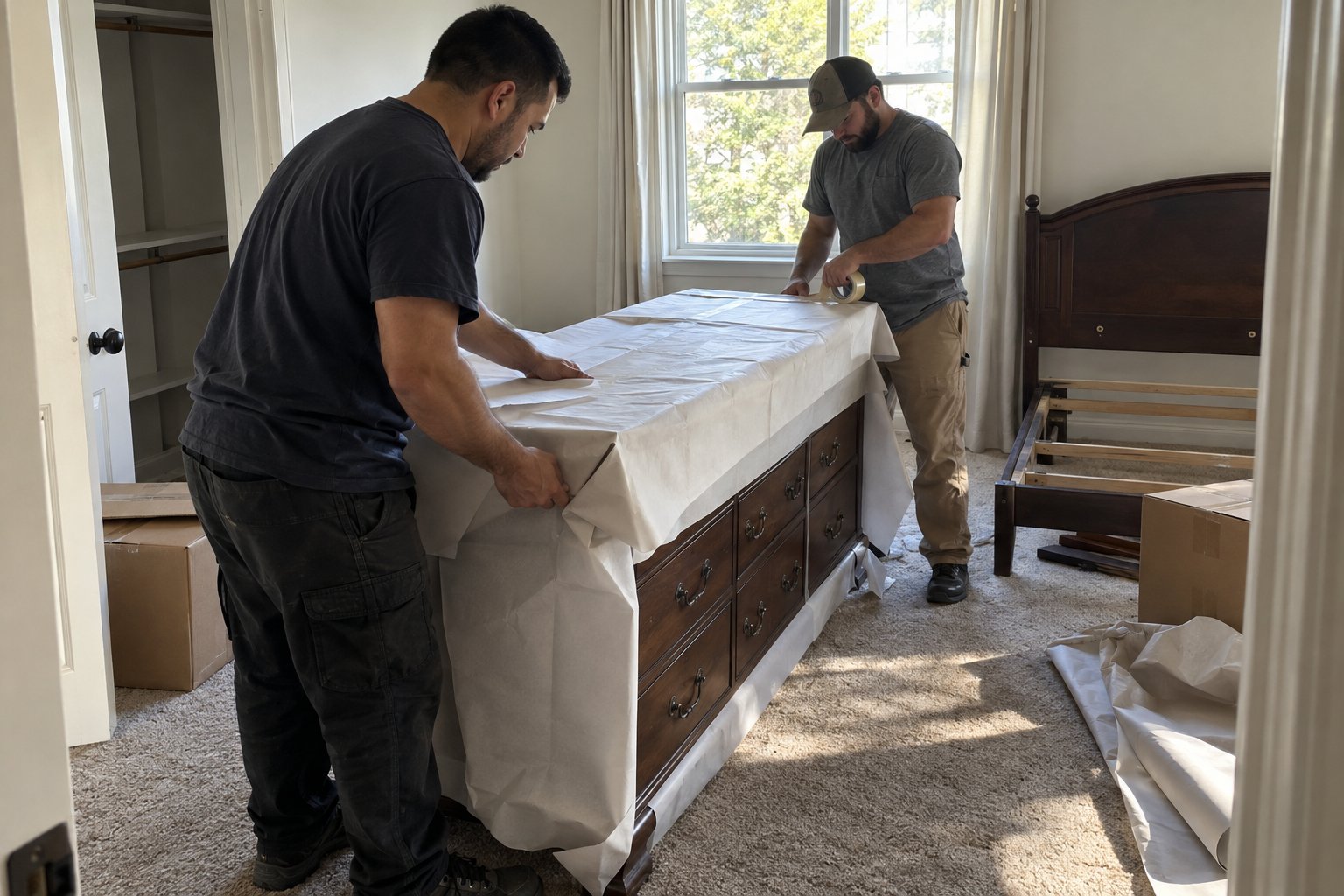
Moving day itself runs in a predictable sequence: final walkthrough, loading, transport, unloading, and setup. Knowing the order ahead of time means you spend the day directing instead of reacting.
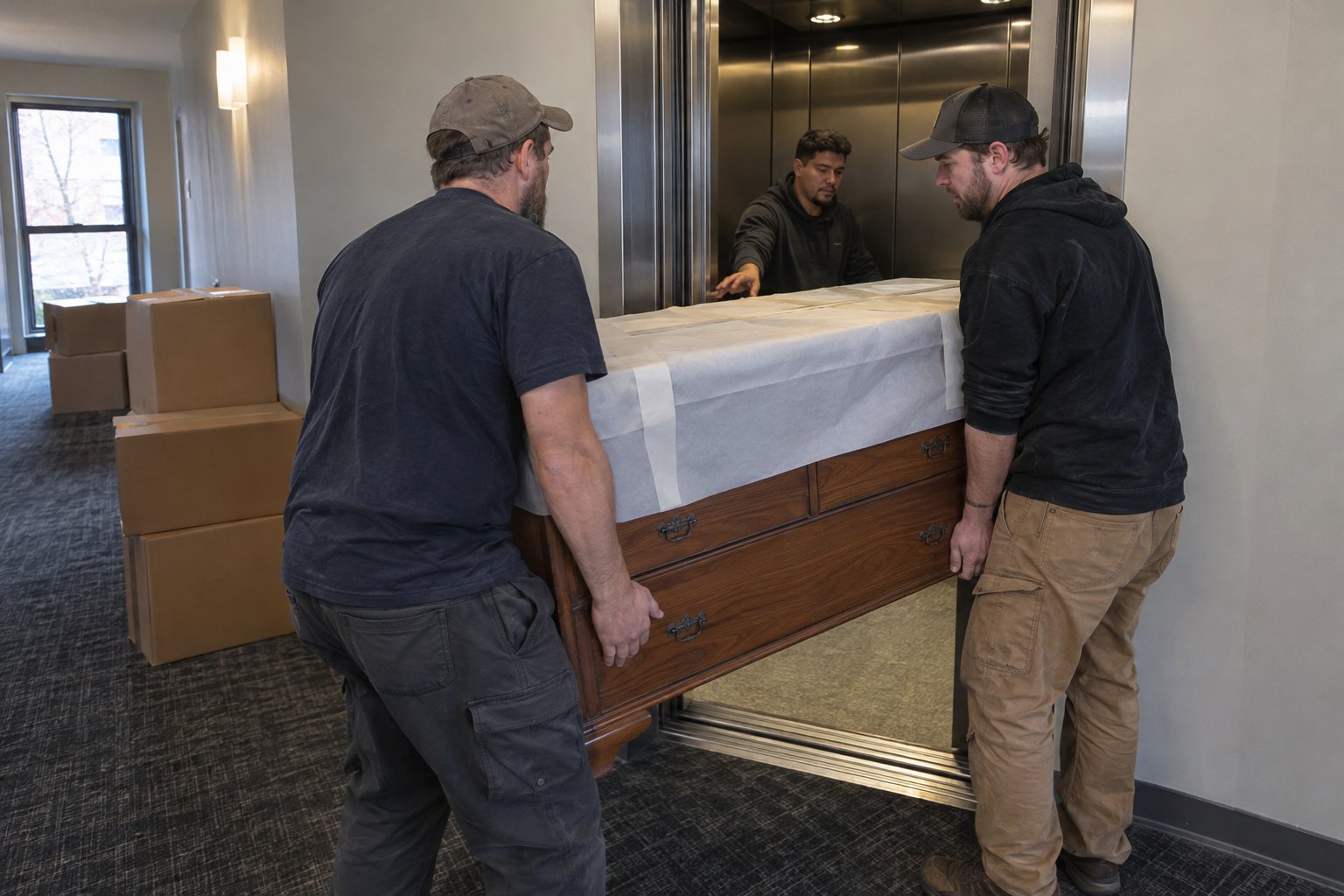
The first hours at a new place are about getting the truck unloaded efficiently and making sure the home is livable before you start unpacking. Rushing this stage usually means boxes end up in the wrong rooms.
A move across town compresses this same timeline into a single day, while a longer move stretches the loading and transport stages across more time. The planning stages stay the same either way; only the gap between loading and unloading changes.
If you're moving within the Nashville area, for example between Franklin, TN and Brentwood, TN, loading and unloading can often happen the same day, which simplifies the schedule but still calls for the same amount of prep in the days before. If your move is going farther, build in extra time between loading and the expected delivery window before you plan anything for the day you arrive.
A tight schedule means compressing the same stages into fewer days rather than skipping them. Prioritize confirming your moving help and packing essentials first, since those are the tasks that cause the most trouble if left too late.
If you only have a few days, focus your energy on the rooms you use daily last, and pack storage areas, closets, and rarely used rooms first. That order lets you keep living normally until the final day or two, when the pace naturally picks up anyway.
Planning your move? Request a quote from We Haul Nashville.
A call about a week before moving day is usually enough to confirm the date, arrival window, and any address or access details. Confirming again the night before catches any last-minute changes.
Medications, important documents, valuables, and a bag of immediate essentials like a change of clothes and chargers should travel with you rather than in the moving truck.
Yes. Pointing out stairs, narrow doorways, or furniture that needs special handling before loading starts helps the crew plan the safest way to move it and keeps the day moving smoothly.
Most people start by setting up beds and getting a bathroom functional, then move on to the kitchen, since those rooms make the rest of the first day and night much easier.
Give yourself extra time in the days before to pack, since loading and unloading on your own takes longer without a dedicated crew. Keep the same order of events, just stretched across more hours.
Whether you’re moving a home, apartment, office, or just a few heavy items, We Haul Nashville is ready to help make the process easier.