Written by:
Pierce J.
Published:
September 22, 2026
Learn how to move a heavy safe or gun cabinet without injury or floor damage, from weight assessment to equipment choices and when to call in professionals.
Moving a safe or gun cabinet safely comes down to knowing its exact weight before you lift a finger, using a stair-rated appliance dolly rather than furniture sliders alone, and protecting the floor path the entire way, not just at the doorway. Most safes are dense enough that a mistake does not just scratch a wall, it can crush a foot or blow out a subfloor.
Homeowners tend to treat a gun safe like a heavy dresser: something you tip onto a dolly and roll out. The problem is weight distribution. A small dresser might weigh 150 pounds spread across a wide base. A compact gun safe can weigh 400 to 800 pounds concentrated in a footprint barely large enough to stand on. That combination of mass and small contact area is what causes injuries and floor damage that regular furniture never causes.
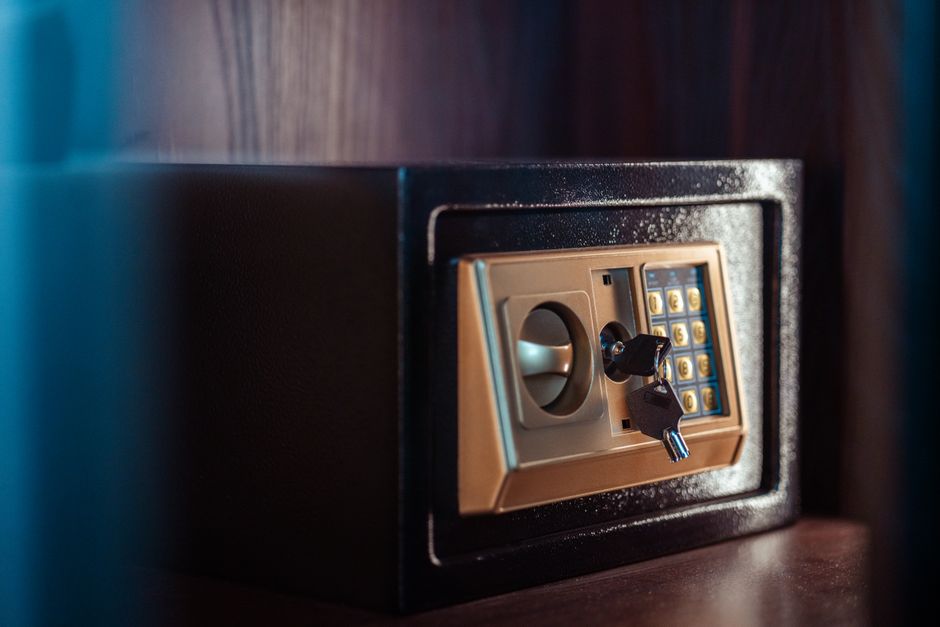
Most residential gun safes weigh between 300 and 1,000 pounds, and larger fire-rated or commercial units can exceed 1,500 pounds. The number is usually printed on a manufacturer's plate on the back or inside the door; if you cannot find it, assume it is heavier than it looks, because steel-lined interiors and concrete fill add weight that is not obvious from the outside.
Weight matters because it decides what equipment and how many people you actually need. A 300-pound safe can sometimes be managed by two strong adults with the right dolly. Anything past about 500 pounds starts to require either a four-wheel appliance dolly with ratchet straps and a second team member per side, or specialized equipment like a stair-climbing hand truck. Guessing low on weight is the single most common reason people get hurt moving these units, because they set up for a 300-pound move and encounter 700 pounds of resistance halfway down a staircase.
You need a rated appliance dolly with a weight capacity higher than your safe's actual weight, ratchet straps, furniture blankets, and a clear, measured path from the safe to the truck. A four-wheel dolly distributes weight more evenly than a standard two-wheel hand truck and is far less likely to tip on an uneven floor.
Before you strap anything down, measure doorways, hallway turns, and stair widths against the safe's dimensions, not just its weight. A safe that clears a doorway by half an inch on paper often does not clear it once furniture blankets add bulk to both sides. If the safe has to go down a staircase, a stair-climbing dolly with a motorized or geared mechanism is worth renting rather than attempting with straps and manpower alone; a safe that gets away from you on stairs will not stop until it hits something, and that something is often a person.
Hardwood, tile, and even reinforced concrete can crack or scratch under concentrated point loads from a rolling safe. Lay down half-inch plywood sheets over hardwood or tile in the direct path, and use furniture sliders under the dolly wheels on finished floors where the dolly itself might dent or gouge the surface. Ramps over thresholds and stair nosing should be rigid, not folding cardboard, since a safe's weight will crush anything that flexes.
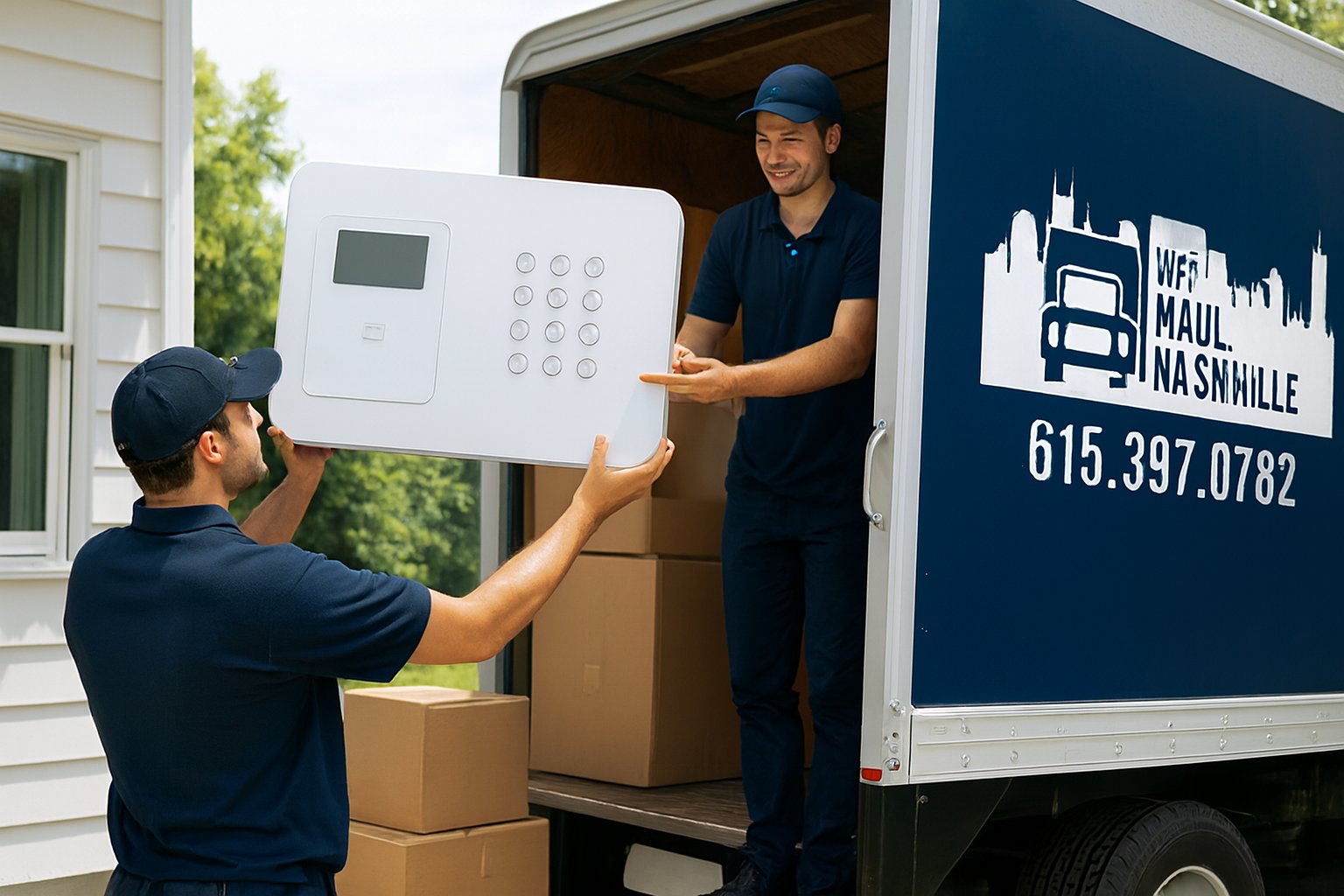
Moving a gun safe on stairs is safest with a stair-climbing dolly and at least three people, one controlling the dolly and two spotting on either side to prevent tipping. Never attempt to walk a safe down stairs by hand, even with a helper on each end, because the moment it shifts its weight off-balance there is no way to arrest the fall.
If a stair-climbing dolly is not available, the safer alternative is to build a temporary ramp over the stairs using sturdy lumber and slide the safe down on furniture blankets with a rope or strap system controlled from above, letting gravity do the work slowly rather than fighting it. This still requires enough people to hold tension the entire way and should not be attempted solo. If your stairwell has a tight turn or landing, that is usually the point where professional equipment stops being optional.
Hiring professionals makes sense any time a safe exceeds roughly 400 pounds, has to navigate stairs or tight turns, or you do not already own rated moving equipment. The cost of a specialty moving crew is almost always lower than the cost of a hospital visit, a cracked stair tread, or a safe that gets wedged in a stairwell.
Crews who handle heavy and awkward items regularly bring stair-climbing dollies, rigging straps, and enough manpower to keep the load controlled rather than reactive. They also carry insurance that covers the safe's contents and your home, which matters more here than with almost any other household item, since safes are frequently full of firearms, documents, or valuables you cannot easily replace if something goes wrong. If you are already booking movers for the rest of the house, ask whether they handle specialty item moving for safes specifically, since not every general moving crew carries the right equipment for something this dense.
Empty the safe completely before moving day, both to reduce weight and to keep valuables under your direct control rather than on a dolly. Confirm the door is locked and the bolts are engaged so it cannot swing open mid-move, and remove any shelving or interior components that could shift and throw off the balance.
Take a few minutes to map the exact route from the safe's current spot to the truck, measuring every doorway, turn, and step along the way. If you are moving into a new home, do the same exercise there before the truck arrives, so you are not discovering a narrow basement stairwell with a fully loaded dolly already at the top of it. Confirm with whoever is moving your other belongings whether the safe move is happening on the same day or separately, since the equipment and crew size needed are different from a typical local moving job.
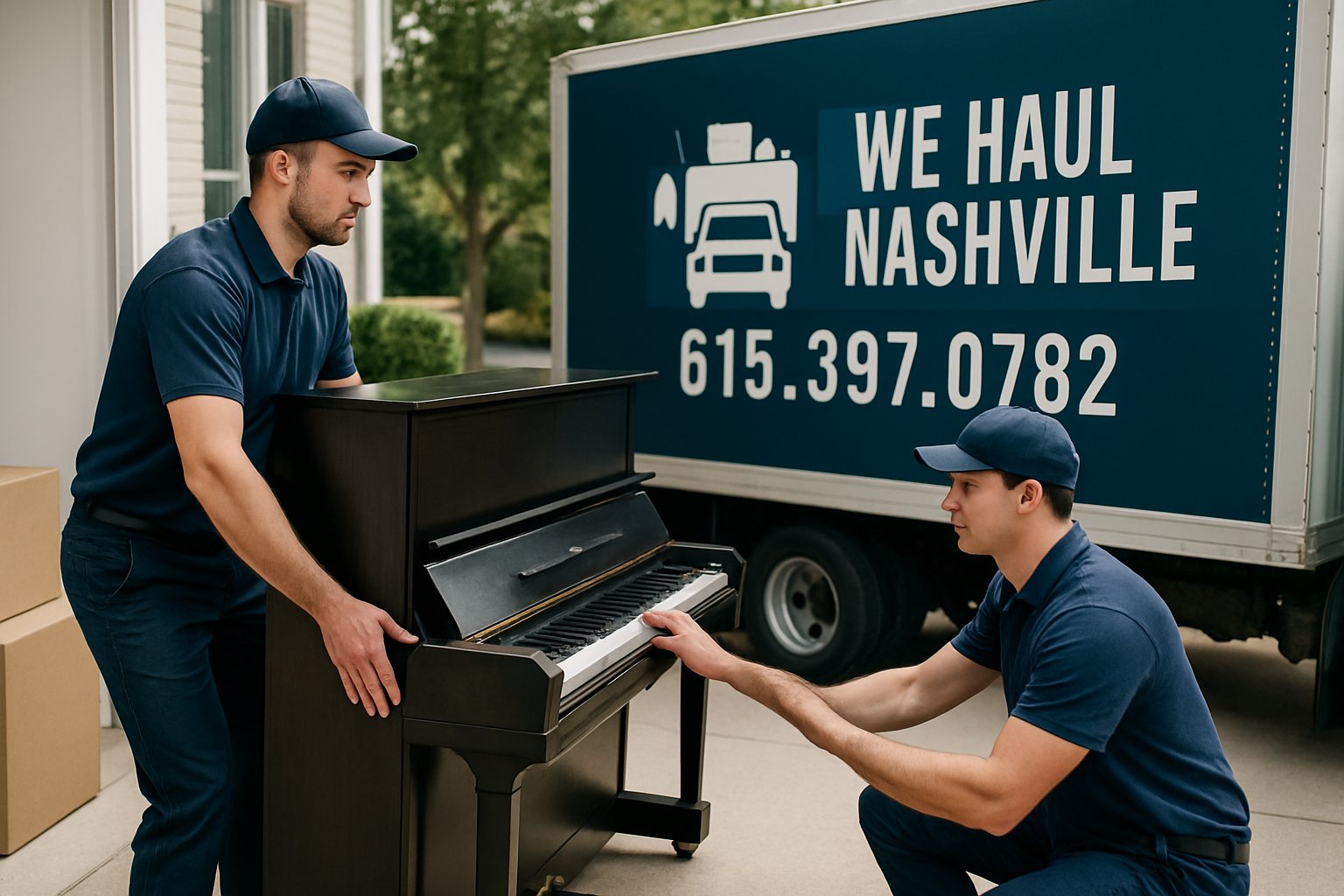
If your move is part of a larger relocation and you are weighing whether to book a crew for the entire house or handle some of it yourself, it is worth reading about the tradeoffs in full-service move vs self-move before deciding how much of the heavy lifting to take on personally. And if you are moving other oversized items in the same trip, such as a piano, the equipment and planning overlap significantly, which is covered in our guide on piano moving cost in Nashville.
Once you know the weight, the route, and who is doing the lifting, get a moving quote so you can compare the cost of professional handling against the risk of doing it yourself.
Two people can sometimes manage a 500-pound safe on flat ground with a rated four-wheel dolly, but stairs, turns, or thresholds usually require a third person to spot and control the load. If the path includes any elevation change, plan for at least three people or professional equipment.
Lay half-inch plywood sheets over the hardwood along the entire path and use furniture sliders under the dolly wheels rather than rolling directly on the finished floor. Point loads from a safe's wheels or edges are enough to dent or scratch wood even through a thin moving blanket.
Renting a stair-climbing dolly and straps for a day often costs close to what a two-person specialty crew charges for a few hours, without the labor or risk. Once stairs or tight turns are involved, professional help is usually the better value once you factor in potential floor or wall repairs.
Yes, if the safe is anchored, remove the floor bolts before attempting to move it. Trying to tip or roll a bolted safe can damage the flooring, strip the anchor points, or cause the safe to tip unexpectedly since it will resist movement at the base.
A stair-climbing appliance dolly operated by one person with two spotters is the safest method, since it controls descent speed mechanically rather than relying on manpower alone. Without one, a controlled slide down a temporary ramp using ropes and blankets is the next safest option, but it still requires several people holding tension throughout.
Whether you’re moving a home, apartment, office, or just a few heavy items, We Haul Nashville is ready to help make the process easier.