Written by:
Pierce J.
Published:
July 31, 2026
Weighing a full-service move against a DIY truck rental? Compare cost, time, and risk factors to decide what actually makes sense for your Nashville move.
Deciding between a full-service move vs self-move comes down to three things: how much your time is worth, how much physical risk you are willing to take on, and whether the money saved by renting a truck actually holds up once every hidden cost is counted. For most households, the honest answer depends less on the size of the home and more on the shape of the move itself: distance, timeline, and how much heavy or fragile furniture is involved.
This guide breaks down the real tradeoffs so you can make the call with clear eyes instead of guessing. We will look at what each option actually costs, where the hidden expenses hide, how much time each approach really takes, and which scenarios tend to favor one path over the other.
A full-service move means a professional crew handles the loading, driving, and unloading, and often the packing as well, so your main job is coordinating logistics rather than lifting boxes. This typically costs more upfront than a truck rental, but it shifts the physical labor, the liability for damage, and the vehicle logistics onto the moving company.
Most full-service providers offer tiers, from labor-only help loading a truck you rented, up to a complete white-glove package where a crew packs, wraps, transports, and unpacks everything. Knowing which tier you actually need matters more than defaulting to the most expensive option or the cheapest one.
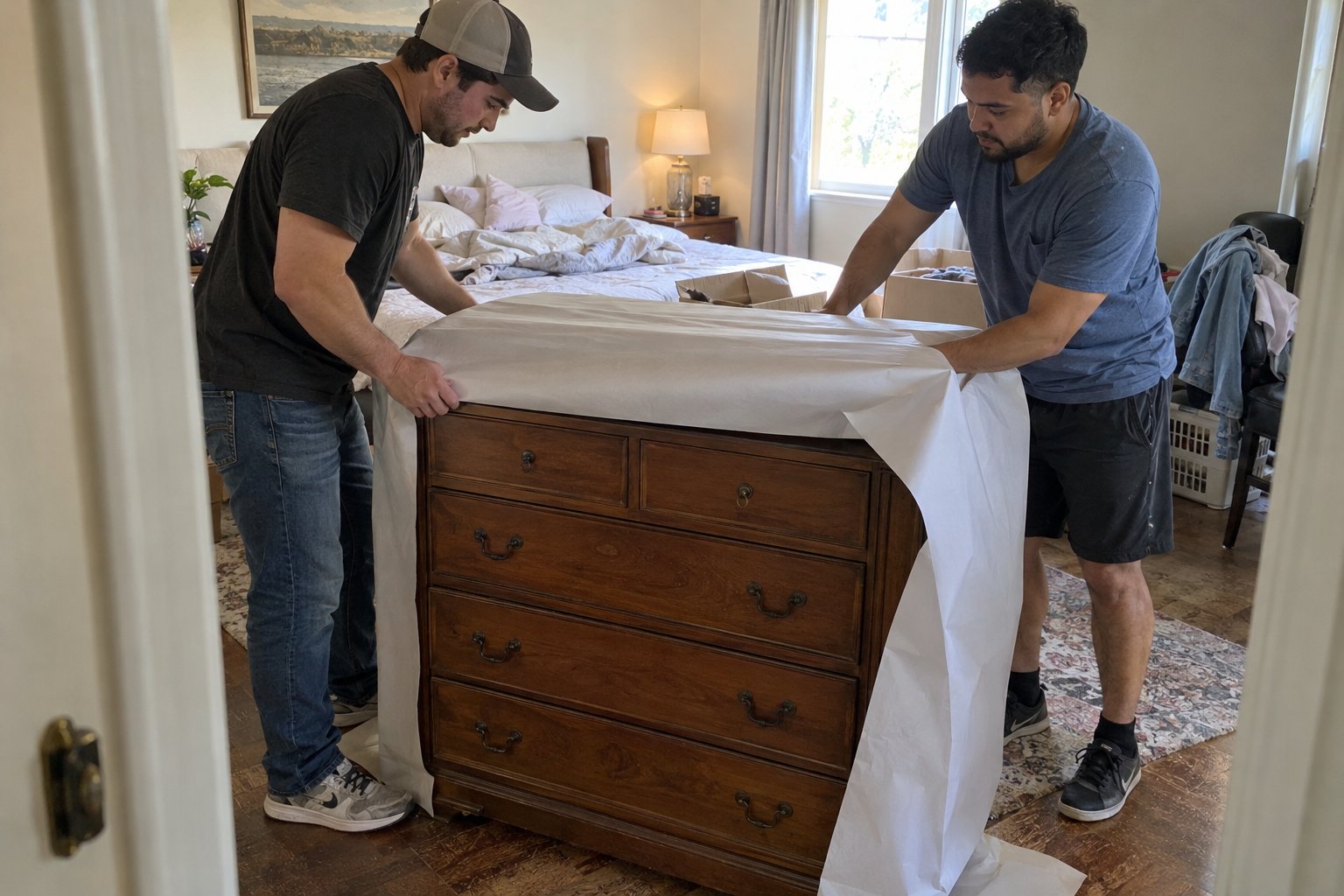
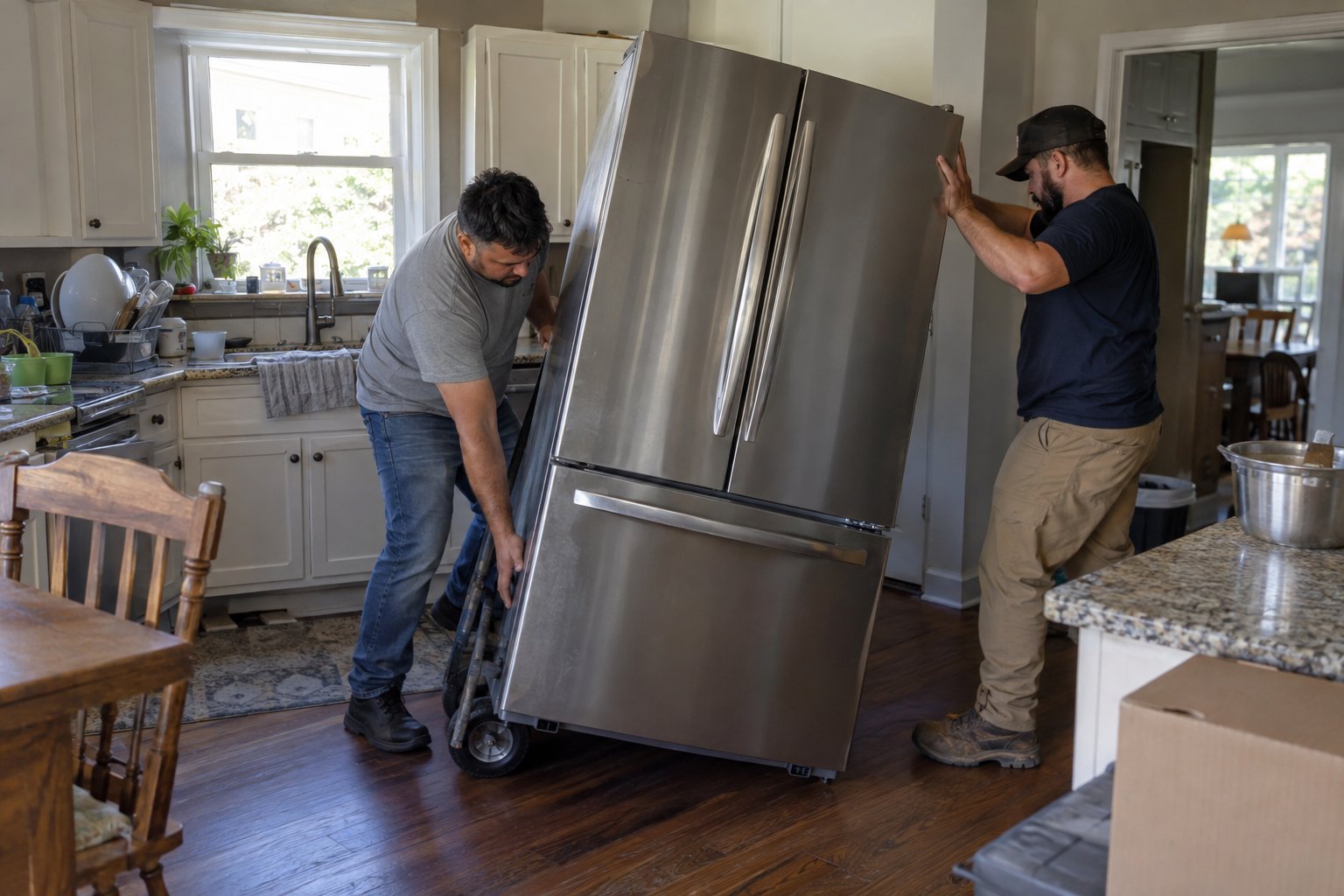
Full-service tends to be the better value when you are short on time, moving heavy or awkward furniture, dealing with stairs or a long carry to the truck, or simply do not have a reliable group of friends who can commit an entire Saturday. It also removes the risk of renting a truck you are not used to driving, which matters more than people expect on Nashville's hillier streets and tighter downtown parking.
A self-move looks cheaper on paper because the truck rental fee is usually the only number people compare, but the real cost includes fuel, insurance add-ons, packing supplies, dollies or furniture pads, and the value of a full day (or more) of your own labor plus whoever you recruit to help. Once all of that is added up, the gap between DIY and hiring help is often smaller than expected, especially for a two- or three-bedroom home.
There is also the risk cost that rarely gets factored in: a dropped dresser, a scratched hardwood floor, or a back injury from lifting a mattress up a narrow stairwell. None of these show up on a rental quote, but they are common enough that they belong in the decision.
A self-move can genuinely be the smarter choice for a small apartment with minimal furniture, a short-distance move where you can make multiple trips in a personal vehicle, or a situation where you have a flexible timeline and capable help lined up in advance. If you are already comfortable driving a box truck and your new place does not involve stairs or tricky access, the savings can be real rather than theoretical.
The fairest comparison adds up total dollars spent plus a reasonable value for your time and the risk of damage or injury, not just the sticker price of a truck rental against a moving company's quote. Start by listing every line item for each option side by side rather than comparing a single headline number.
Once you build out that full picture, many households find the price difference between the two options is narrower than the sticker prices suggest, which is why time and risk tolerance often become the deciding factors rather than cost alone.
Before committing to either path, walk through your specific move: how many rooms, how many stairs or flights, how far the drive is, and how much flexibility your schedule actually has. A studio apartment moving three miles across town has a very different answer than a four-bedroom house moving across the state.
If you are still narrowing down providers for the full-service side of this comparison, our guide on how to choose a moving company walks through the questions worth asking before you book, including licensing, insurance, and how estimates are structured. It pairs well with building out your numbers in a moving budget so you are comparing real totals rather than rough guesses.
Many movers offer a middle path: labor-only crews who load and unload a truck you rented yourself, which can capture much of the savings of DIY while removing the heaviest lifting and the risk of improper loading. This is worth asking about directly rather than assuming it is all-or-nothing between a full crew and going it completely alone.
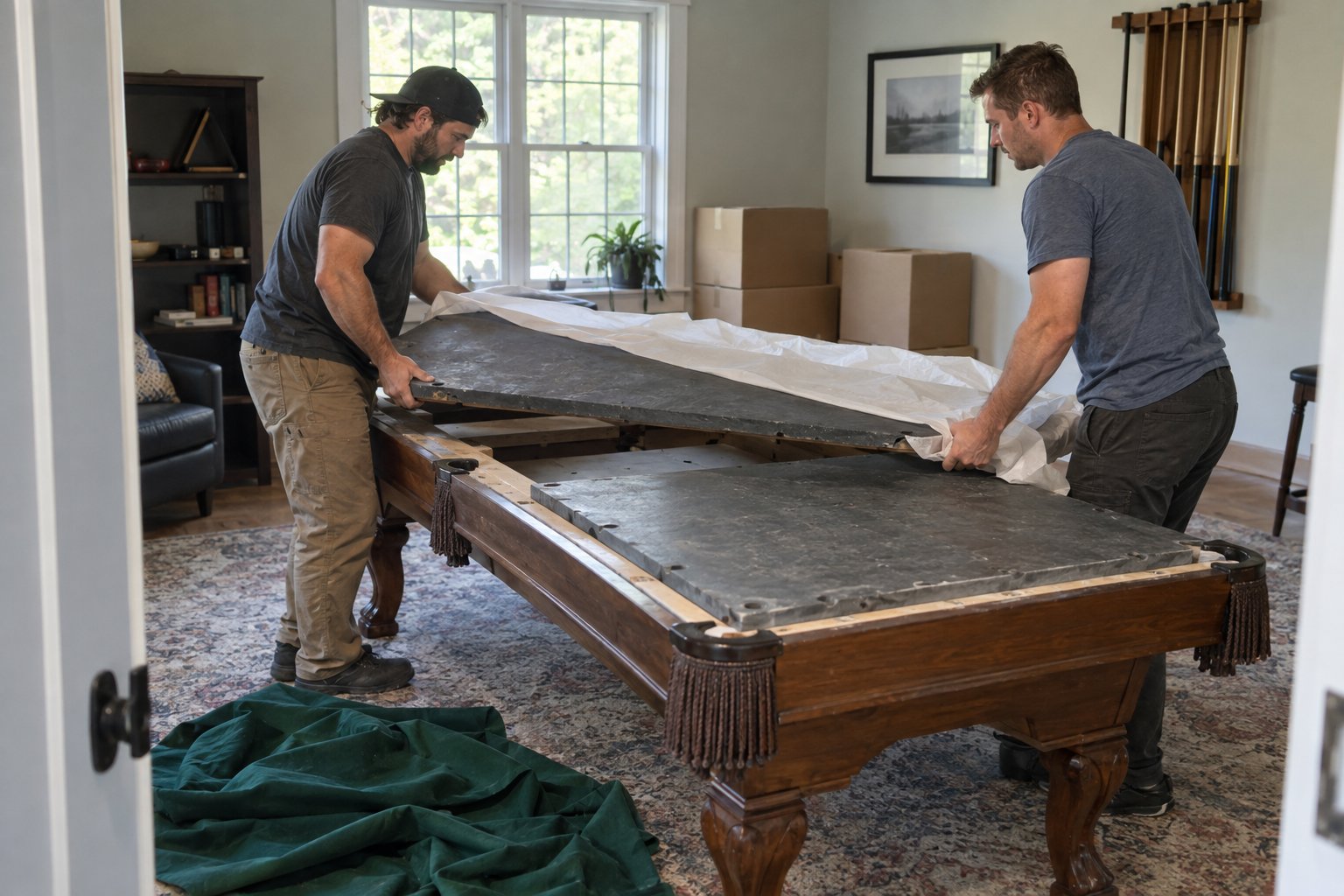
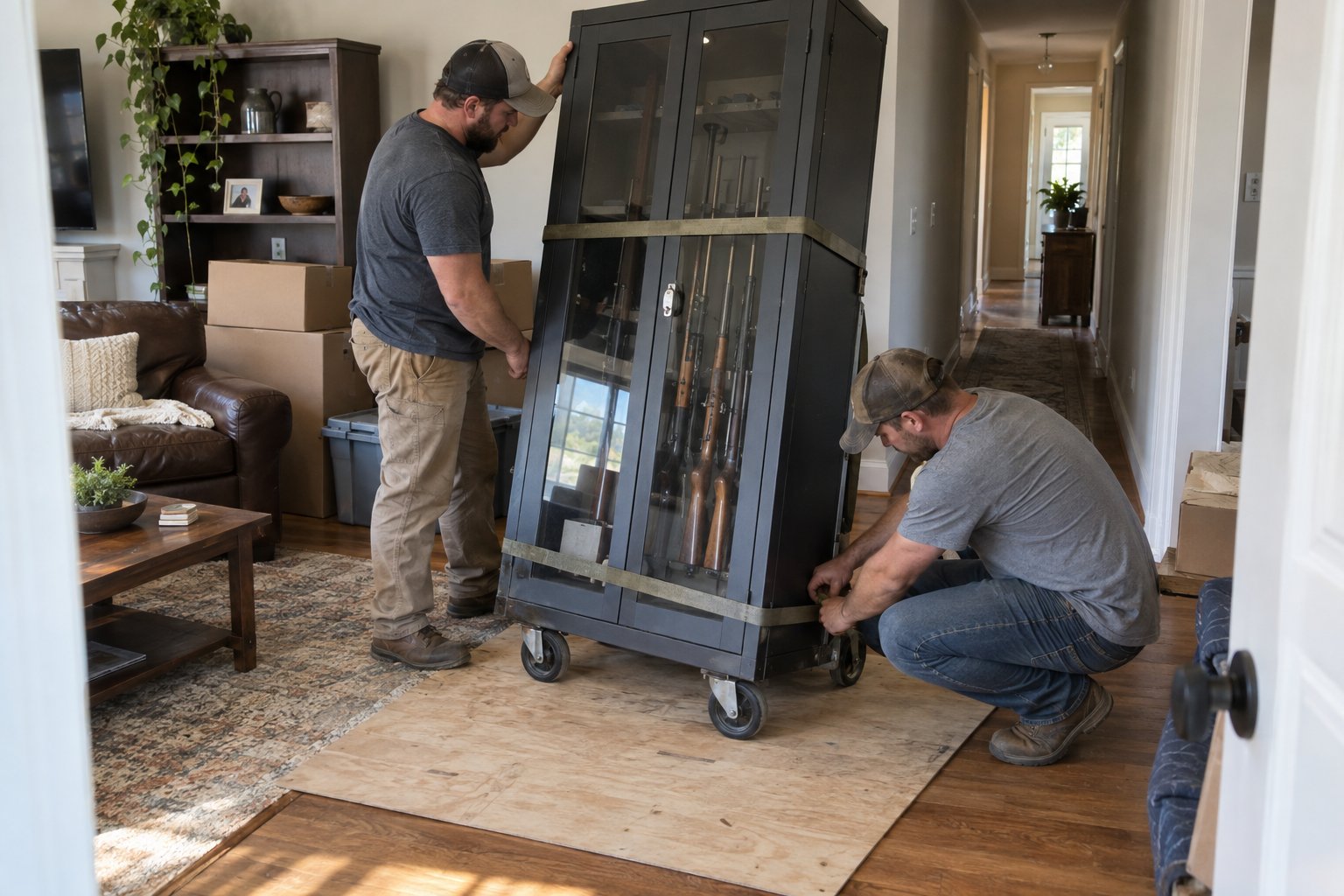
The right choice is the one that matches your actual timeline, physical capacity, and budget, not the option that sounds cheaper in isolation. If your move involves specialty items, heavy furniture, or a tight schedule, professional help usually pays for itself in avoided damage and saved time. If your move is small, local, and flexible, a self-move can still make sense.
Whichever direction fits your situation, getting a clear quote early makes the comparison easier. You can get a moving quote to see exactly what full-service help would cost for your home before making a final decision.
It depends on the size of your home and distance, but once you add fuel, supplies, insurance, and the value of your own time, the gap between a self-move and hiring help is often smaller than the truck rental price alone suggests. Larger or long-distance moves tend to favor hiring help once all costs are counted.
Yes, many moving companies offer labor-only service where a crew loads or unloads a truck you rented, which can lower cost compared to a full-service move while still removing the heaviest lifting and the risk of improper loading.
It is generally a good idea to book four to six weeks ahead for a local move and eight or more weeks ahead for a long-distance move, since reputable crews book up quickly during peak moving season.
Self-moves are usually more manageable for short, local relocations. Long-distance self-moves add driving fatigue, unfamiliar roads, and higher fuel and lodging costs, which often narrow or erase the savings compared to hiring a long-distance moving company.
The most commonly overlooked cost is the value of your own time and the risk of injury or property damage during a DIY move, since neither shows up on a truck rental receipt but both can end up costing more than professional help would have.
Whether you’re moving a home, apartment, office, or just a few heavy items, We Haul Nashville is ready to help make the process easier.