Written by:
Pierce J.
Published:
June 25, 2026
Learn how to move heavy furniture safely and without damage. Our room-by-room guide covers tools, techniques, and when to call professional movers in Nashville.
Knowing how to move heavy furniture is one of the most practically consequential skills in any relocation — and one that most people underestimate until they are standing in front of a 300-pound dresser wondering how it is ever going to fit through a 32-inch doorway. Furniture is the category of household items most likely to cause injury, damage walls and floors, and create expensive problems that last long after moving day. A sofa that seemed manageable becomes a different challenge entirely when it has to navigate a staircase landing at a 90-degree angle.
This guide walks you through how to move heavy furniture safely and without damage, room by room — from the tools you need before you start to the specific techniques for beds, sofas, dressers, bookshelves, dining tables, and appliances. Whether you are relocating across Nashville or rearranging a single room, these principles will protect your back, your floors, your walls, and the furniture itself.
Attempting to move heavy furniture without the right equipment is how injuries and damage happen. The good news is that the tools that make furniture moving safe and manageable are inexpensive and widely available at hardware stores and moving supply retailers.
Furniture sliders — also called furniture glides or moving discs — are flat pads that go under the legs or corners of heavy pieces, allowing you to slide them across floors with a fraction of the effort required to lift and carry. They come in two main varieties: felt-bottomed sliders for hard floors like hardwood, tile, and laminate, and plastic-bottomed sliders for carpet. Using the wrong type can scratch hardwood or fail to move on carpet, so match the slider material to your floor surface. A set of furniture sliders is one of the highest-return purchases you can make for any move involving heavy pieces.
Moving straps — sometimes marketed as forearm forklifts or shoulder dollies — are harness systems that distribute the weight of heavy objects across your body's largest muscle groups rather than concentrating the load in your hands and lower back. They are particularly useful for carrying large, bulky pieces like sofas, mattresses, and large appliances up or down stairs. The learning curve is short, but it is worth practicing the strap adjustment before you put a heavy load on them.
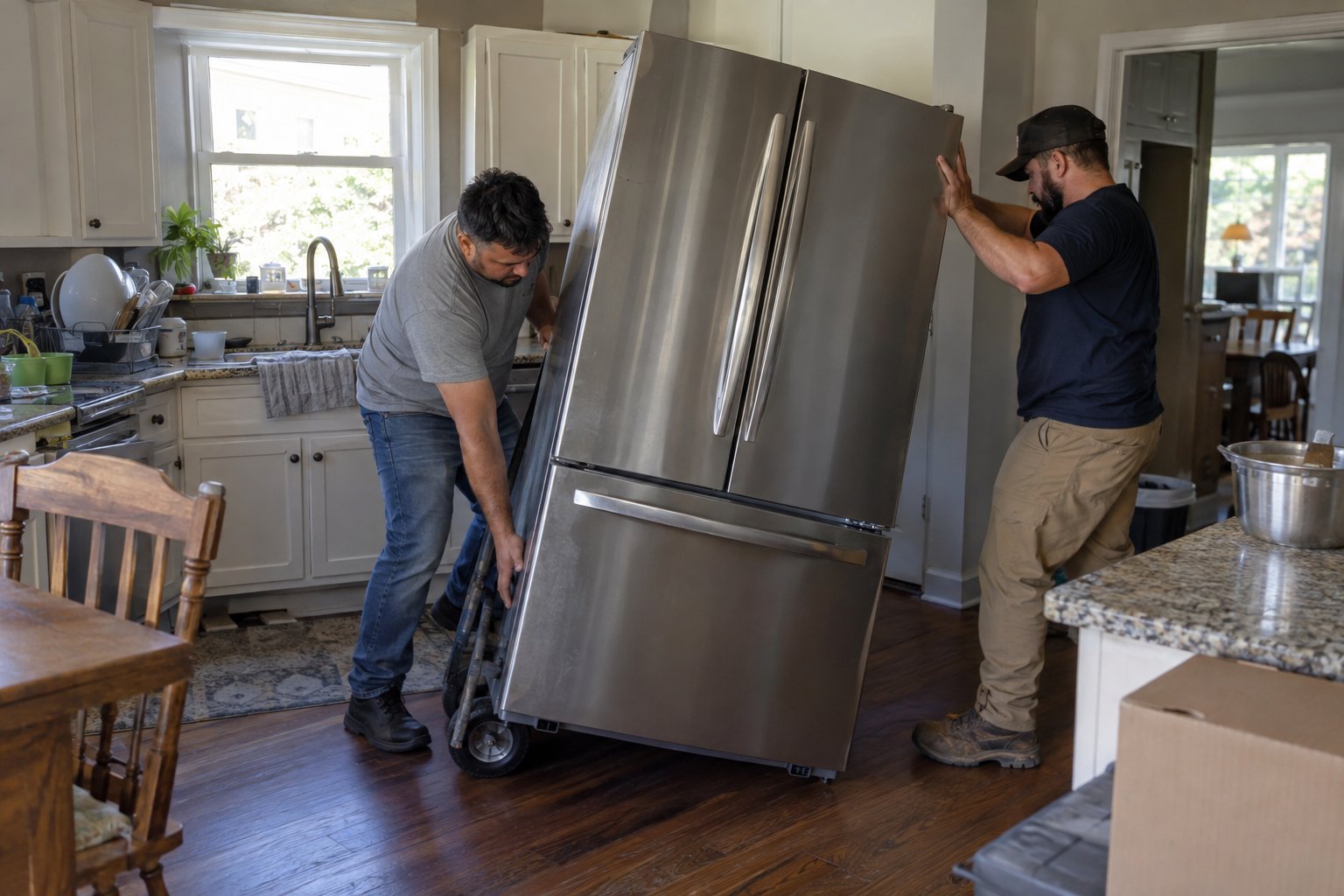
A flat furniture dolly — a low platform on four casters — is the standard tool for moving heavy dressers, refrigerators, washing machines, and bookshelves across level ground. A hand truck (the upright L-shaped cart) works better for tall, narrow items like refrigerators and stacked boxes. If you are renting a moving truck, the rental company typically offers dollies as an add-on for a nominal fee. Bring one for every two or three heavy pieces you plan to move.
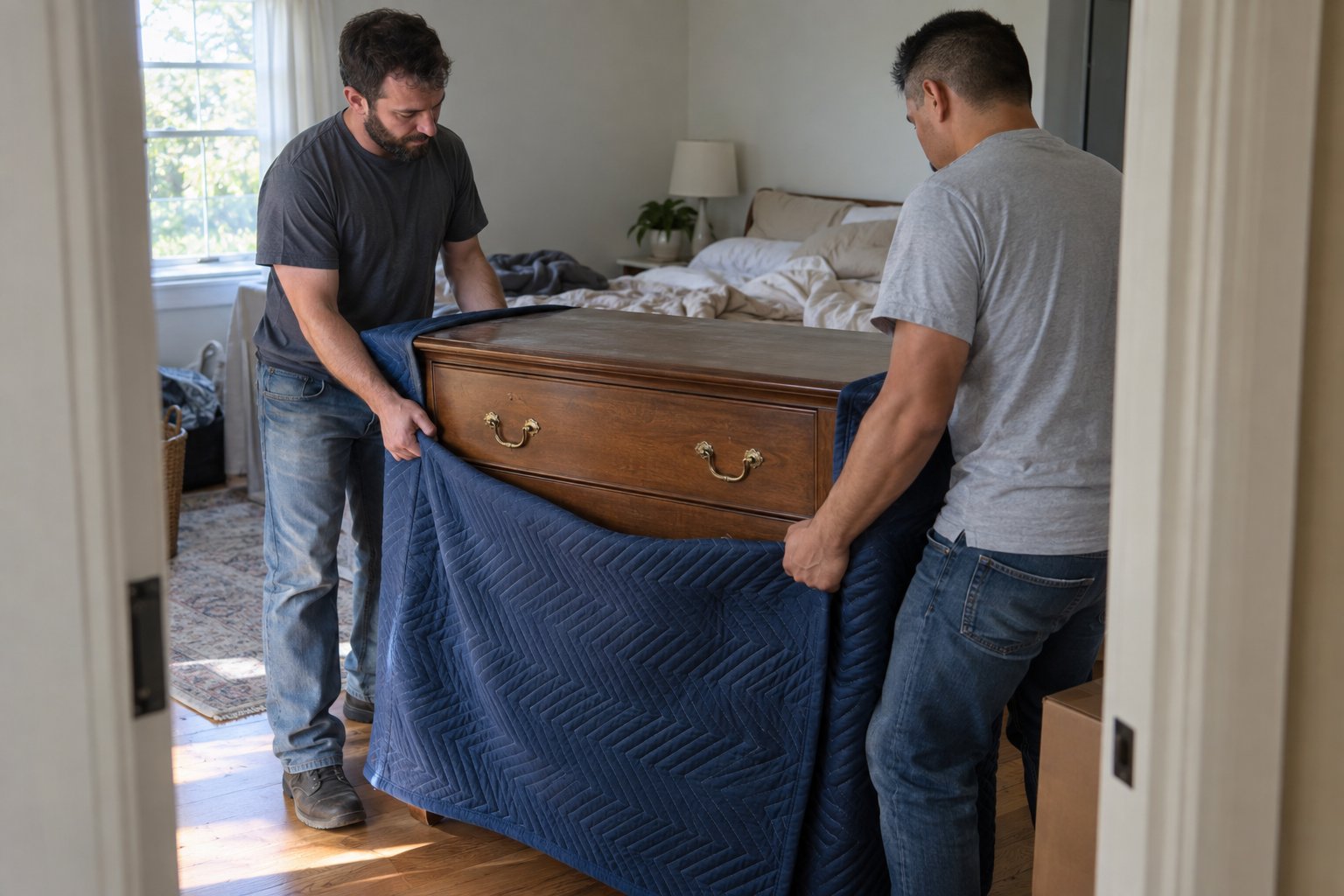
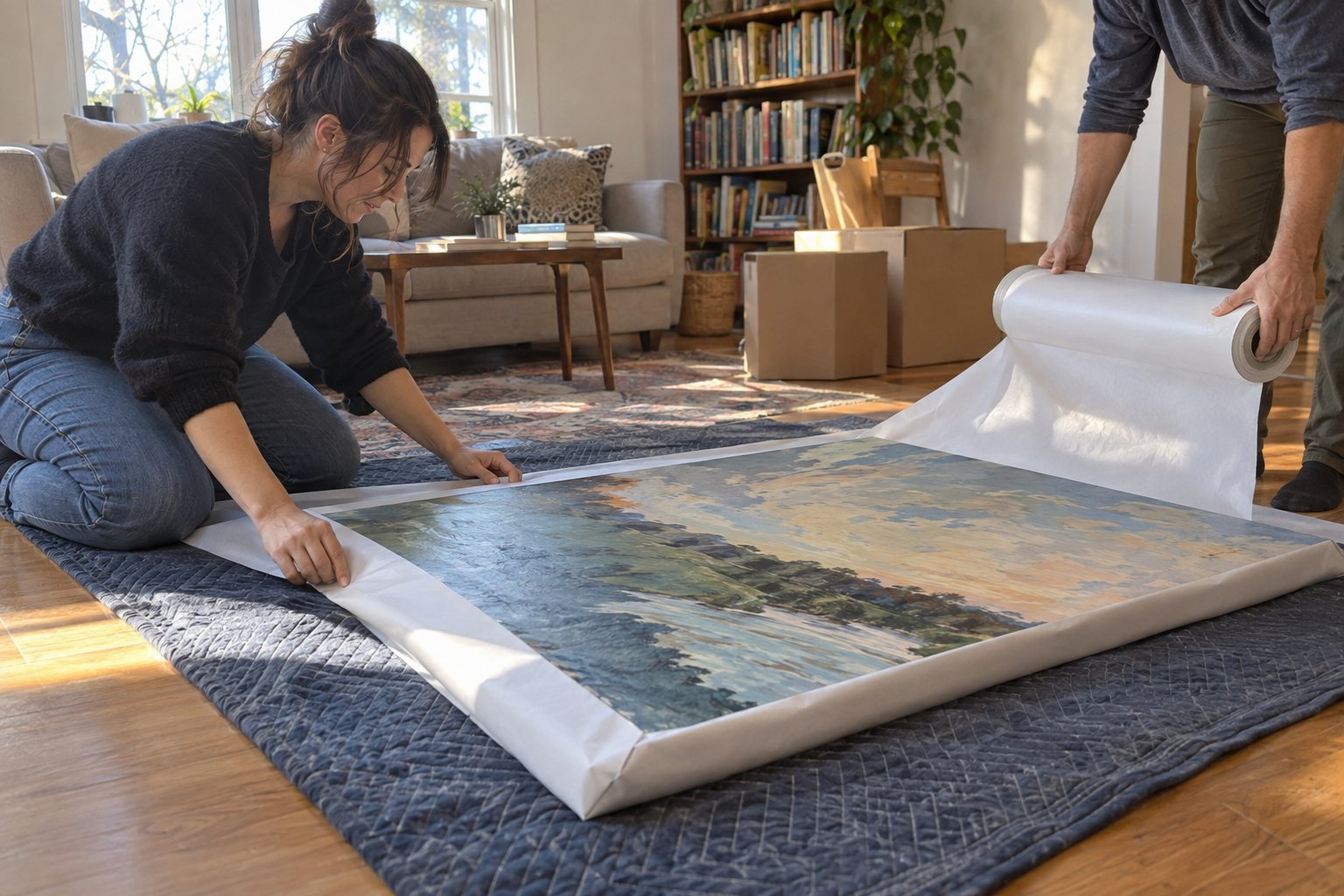
Moving blankets protect furniture surfaces from scratches and dings during transport and protect walls and door frames from impact damage during navigation. Wrap upholstered furniture in moving blankets and secure with stretch wrap or rubber bands — not tape, which can damage fabric and finish. Pad door frames with blankets or foam padding before moving any large piece through a tight opening.
Different rooms present different furniture challenges. The techniques that work for a king-size bed frame are different from those you need for a sectional sofa or a six-foot bookshelf loaded with books. Here is how to approach each major room.
Beds are almost always easier to move disassembled. Before attempting to move a bed frame, strip the bedding, remove the mattress and box spring separately, and disassemble the frame into its component parts. Most bed frames break down into a headboard, footboard, side rails, and center support — pieces that are individually manageable even if the assembled unit is not. Keep all hardware (bolts, screws, cam locks) in a labeled zip-lock bag taped to one of the frame pieces so nothing gets lost in transit.
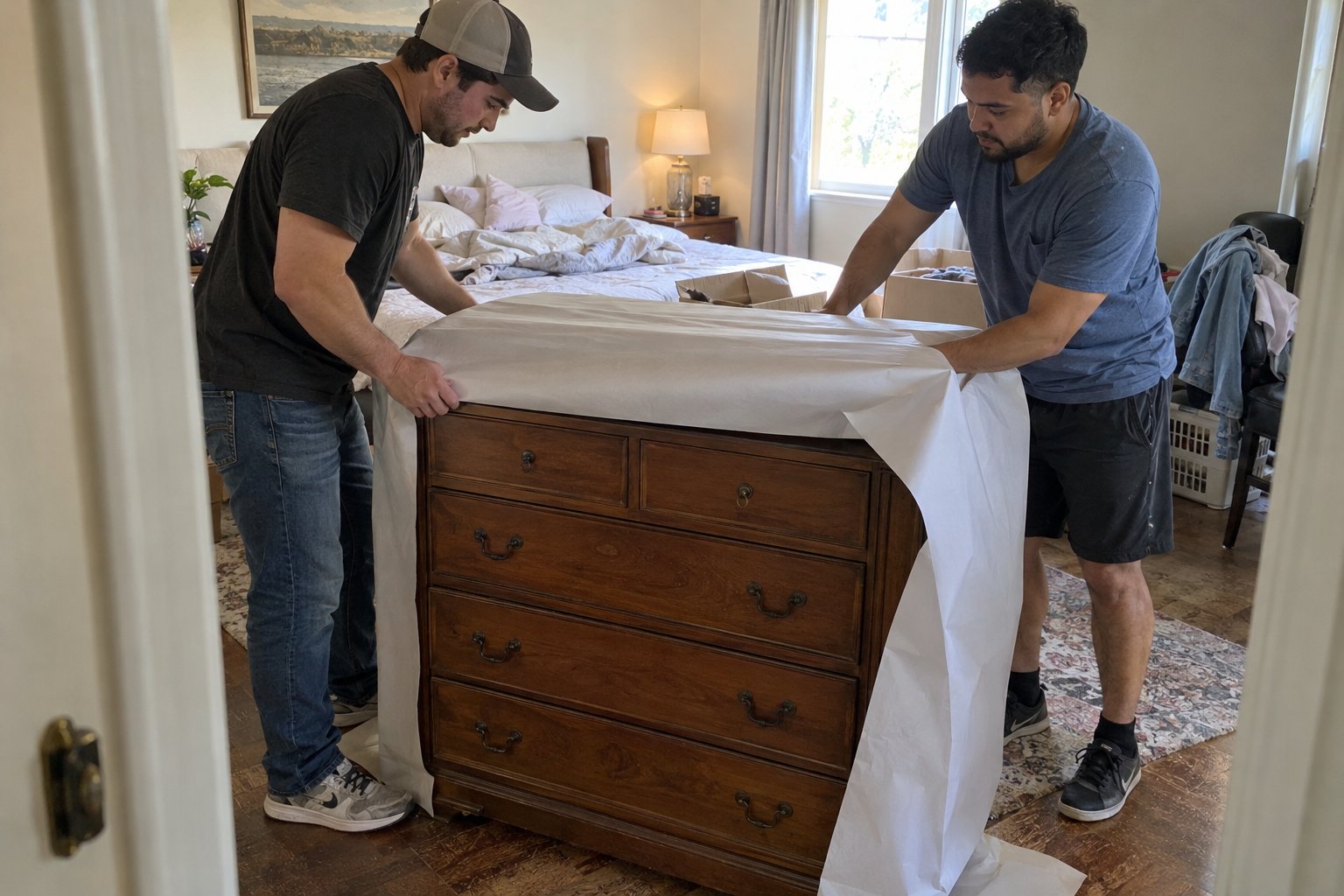
Dressers should be emptied before moving — the weight of clothing multiplied by the leverage of a tall dresser creates a tip hazard and makes the piece significantly harder to control. Remove all drawers and move them separately. Place sliders under the dresser corners to reposition it within a room, or use a dolly to move it between rooms or onto a truck. Secure drawers back in place with stretch wrap for transport.
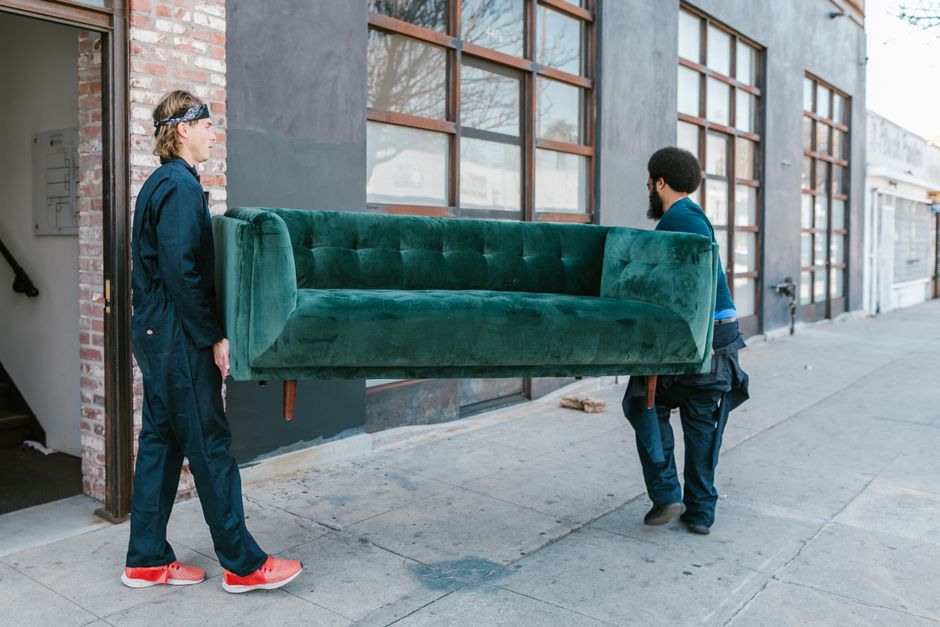
Sofas and sectionals are often the most logistically complex pieces in any home because of their combination of size, awkward shape, and inability to be disassembled (in most cases). Before attempting to move a sofa through a door or hallway, measure both the sofa and the opening. The relevant measurements are height, width, and diagonal depth — the diagonal depth is the measurement that determines whether a sofa can be tilted and angled through an opening that is smaller than its full height.
The classic technique for moving a sofa through a tight door is the "sofa roll": tip the sofa onto one of its back legs and rotate it in an arc through the doorway. This works for most standard sofas and most standard interior door frames, but very deep or L-shaped sectionals may require partial disassembly — removing legs, arm panels, or sectional connectors — before they will clear the opening. Sectional pieces that separate are almost always easier to manage than a single large unit.
Entertainment centers and media consoles present a different challenge: they are dense and heavy relative to their size, and they often have glass panels, sliding doors, or open shelving that makes them fragile. Empty all shelves completely before moving. If the unit has glass doors, secure them with tape or remove and wrap them separately. Use a dolly and move slowly — entertainment centers are easy to tip and difficult to control once they are off-balance.
Most dining tables are easier to move with the legs removed. Check whether your table legs unscrew or detach — many do, with simple quarter-turn bolts or threaded inserts. A disassembled table is a flat panel that can be wrapped in moving blankets and slid against a truck wall; an assembled table with four extended legs is awkward to angle through doors and occupies significantly more truck space. Keep leg hardware in a labeled bag. If the table does not disassemble, protect the top surface with a moving blanket, tip the table on its side, and walk it through doorways at an angle.
Standing desks and large office desks often have complex hardware and cable management built in — photograph the underside of the desk before disassembling anything so you have a reference for reassembly. Remove all drawers and desktop items before moving. Like dressers, a desk with drawers full of heavy items is significantly harder to control safely.
Bookshelves are frequently underestimated because they look simple. An empty bookshelf is manageable; a fully loaded six-foot bookshelf can weigh several hundred pounds and has a very high center of gravity. Always empty bookshelves completely before moving them. Transport books in small boxes — a single large box of books is one of the most common ways movers injure themselves — and use a dolly for the empty shelving unit.
Furniture damage and structural damage during a move are almost always preventable with a few minutes of preparation. The most common damage points are hardwood and laminate floors (from dragging furniture without sliders), painted walls (from corners and edges of large pieces in tight hallways), and door frames (from pivoting large pieces through openings).
Lay down hardboard panels, cardboard sheets, or ram board along the path of travel before moving any heavy piece across a floor you care about. This is especially important for hardwood and tile floors, which can scratch or crack under concentrated point loads. Furniture sliders protect floors during repositioning, but a piece that drops even a few inches onto a hard floor without protection can leave a permanent mark.
Wrap door frames with moving blankets secured with rubber bands, or use purpose-made foam door frame guards, before navigating any large piece through an opening. For hallways, consider placing a padded blanket or folded cardboard against the wall at the corner where large pieces will turn — the outside corner of a hallway turn is the most common contact point during a move.
The single most preventable moving mistake is attempting to move a piece of furniture through an opening it will not fit through. Measure every piece of furniture at its widest, tallest, and deepest point. Measure every doorway, hallway, and staircase landing it needs to pass through. Measure the elevator opening if applicable. Do this before moving day — discovering that your sectional sofa cannot physically exit your apartment is a much more expensive problem to solve on the day itself than the week before.
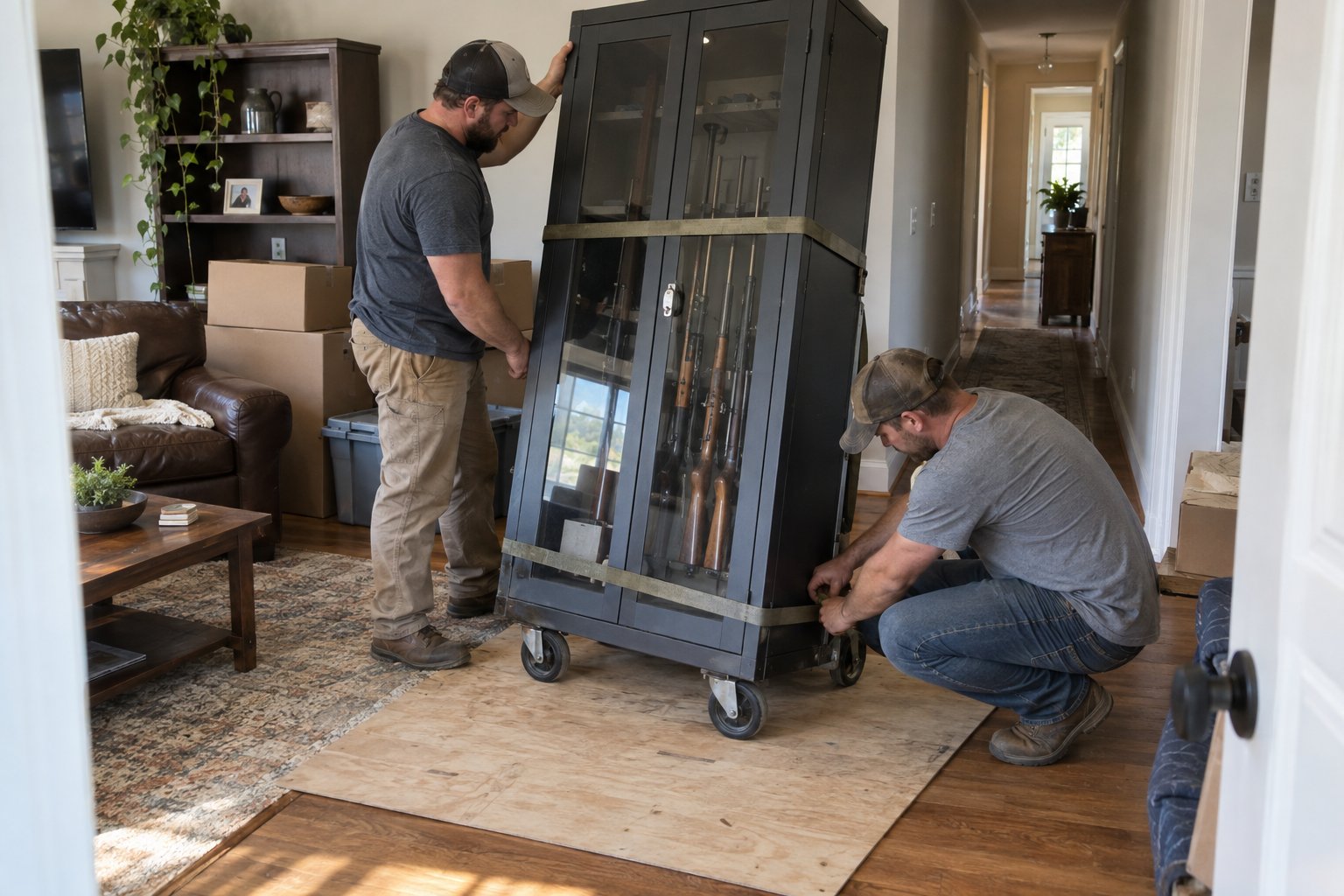
There is a category of furniture that is genuinely not safe to move without professional equipment and expertise: pianos, pool tables, gun safes, marble-top furniture, large antiques, and commercial-grade appliances among them. These pieces require specialized rigging, vehicle equipment, and experience that goes beyond what standard moving labor can provide.
Beyond the genuinely specialized pieces, the honest calculus for most homeowners is this: the risk of a back injury, a damaged floor, or a damaged piece of furniture during a DIY furniture move often costs more — in medical bills, repair costs, or replacement costs — than the professional moving service would have. A professional crew brings the equipment, the technique, the manpower, and the liability coverage that make the job both safer and faster than a DIY approach.
If you are in Nashville and weighing your options for moving heavy furniture — whether as part of a full relocation or a single-room rearrangement — getting a quote from a reputable local moving company is a low-cost way to understand exactly what professional help would cover and what it would cost compared to the risk of doing it yourself.
Empty all drawers before moving the dresser — clothing and stored items add significant weight and create a tip hazard. Remove the drawers themselves and move them separately. Place furniture sliders under the corners of the dresser to reposition it across floors, or use a flat furniture dolly for longer moves. If carrying the dresser up or down stairs, moving straps that distribute weight across your body's largest muscle groups are much safer than carrying it by hand. Lift with your legs, keep the load close to your body, and use a second person for any piece over about 75 pounds.
First, measure the sofa's height, width, and diagonal depth, then measure the doorway opening. The diagonal depth — the measurement from the top front corner to the bottom back corner — is often the key number, because tipping a sofa on its end and angling it through the opening (the so-called sofa roll technique) can get it through a doorway that is shorter than the sofa's full height. If the sofa still will not clear, check whether legs or arm panels can be removed. For sectionals, disconnect the sections and move each piece independently. If none of these options work, it may be worth consulting a professional moving crew that has experience with challenging furniture navigation.
Disassembly is strongly recommended for beds, dining tables with removable legs, modular shelving units, and large desks. Disassembled pieces are easier to carry, fit through doorways more readily, take up less truck space, and reduce the risk of damage to both the furniture and the home. Always photograph the piece before disassembly so you have a reference for reassembly, and keep all hardware in labeled zip-lock bags taped to one of the disassembled pieces. Pieces that cannot be disassembled — most sofas, entertainment centers, and dressers — should be emptied of contents and moved using sliders, dollies, or moving straps.
Use felt-bottomed furniture sliders under all legs and contact points when sliding pieces across hardwood. For the full moving path, lay down hardboard panels, ram board, or thick cardboard along the floor before moving any heavy piece. Avoid dragging furniture without sliders — even a single drag across hardwood from a heavy piece can leave a scratch that requires professional refinishing. Do not drop heavy items: a piece that falls even a short distance onto hardwood can dent or crack the finish. Protective floor runners are also available at moving supply stores and are worth the investment for high-risk areas.
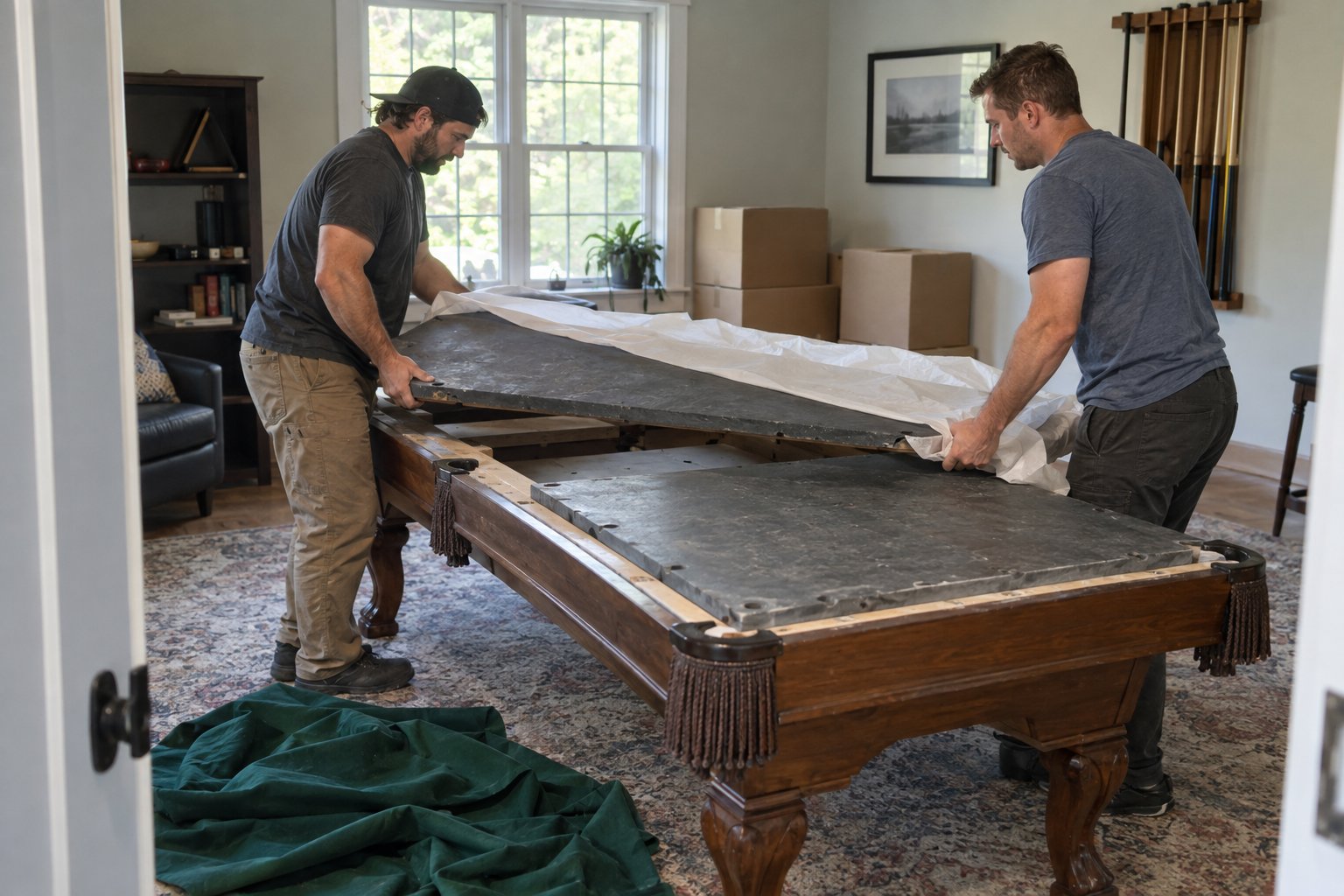
Pianos — both upright and grand — are at the top of this list. They are extremely heavy, awkwardly weighted, and structurally sensitive in ways that can cause internal damage if moved improperly. Pool tables must be disassembled by someone who knows the felt and slate system. Gun safes and large fireproof safes frequently weigh over 500 pounds and require specialized equipment to move safely. Marble-top tables and antique pieces with fragile veneer or joinery need padding and technique that most DIY movers do not have. Large appliances like refrigerators and washing machines can be moved with a hand truck and moving straps, but if stairs are involved, professional equipment and experience make a meaningful safety difference.
Whether you’re moving a home, apartment, office, or just a few heavy items, We Haul Nashville is ready to help make the process easier.