
Written by:
Pierce J.
Published:
August 4, 2026
Wondering how much movers cost in Nashville? See typical hourly rates, what drives your total price up or down, and how to avoid surprise fees on moving day.
Movers in the Nashville area typically charge by the hour for local moves, with rates shaped by crew size, truck size, and how much your home actually holds. A studio or one-bedroom move with two movers often lands on the lower end of the range, while a four-bedroom house with a larger crew and truck runs considerably more, especially once you factor in stairs, distance between the truck and the door, and any specialty items. This guide walks through what actually drives your number so you are not just guessing at a quote.
Instead of listing a single flat figure (which almost never holds up once a mover actually sees your home), we will break down the variables that move the needle, the fees that tend to surprise people, and how to get an estimate you can actually trust before the truck shows up.
Local moving companies in Nashville generally price by crew size and hours worked, not by a flat per-mile rate like long-distance moves. The biggest cost drivers are how many movers and trucks the job needs, how many hours it takes to load, drive, and unload, and any add-on services like packing or disassembly.
A two-person crew with one truck is the standard setup for smaller apartments and starter homes. Larger homes usually need three or four movers to keep the job moving efficiently, since more hands means fewer hours billed even though the hourly rate itself goes up. Distance matters too: a move within the same neighborhood costs less in labor time than one that crosses town during rush hour on I-24 or I-40.
The number of rooms and the volume of furniture you own has more influence on total cost than almost anything else. A one-bedroom apartment might take a two-person crew three to four hours. A full house with a garage, multiple bedrooms, and a finished basement can take a four-person crew most of a full day. Before you request a quote, it helps to have already gone through your home and identified what is actually coming with you. If you have not done that step yet, our room-by-room decluttering guide can help you trim volume before movers ever price the job.
Hourly rates for local movers cover the crew's time from arrival to the final item off the truck, and sometimes include drive time between locations. Most companies charge more per hour as crew size increases, since you are paying for labor, not just a truck.
What catches people off guard is that the clock is usually still running during the drive between your old home and your new one, not just during loading and unloading. A move across town takes longer than one within the same zip code, and that time gets billed the same as any other hour on the job. Ask upfront whether travel time is included in the estimate or billed separately, since this is one of the most common places quotes and final invoices diverge.
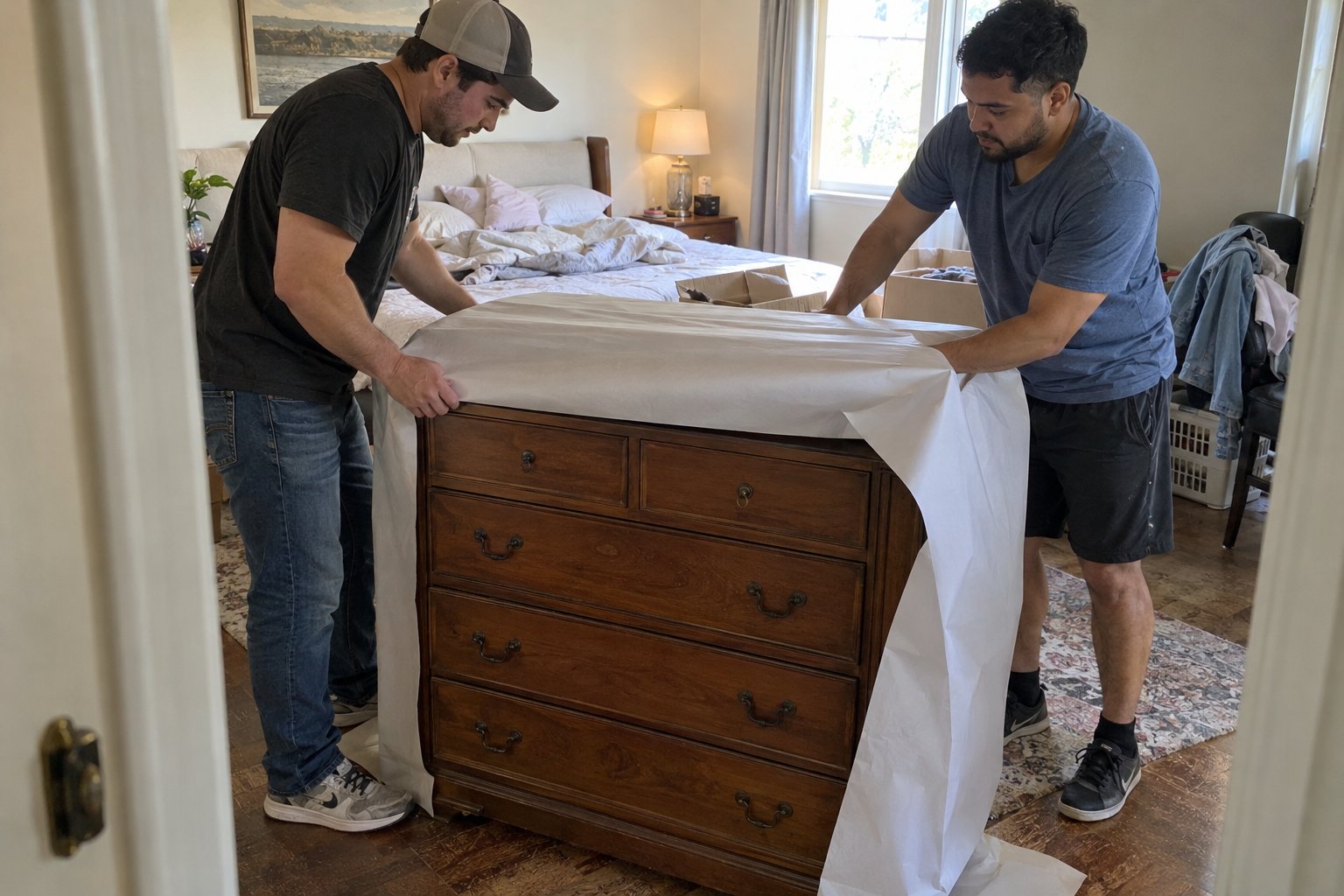
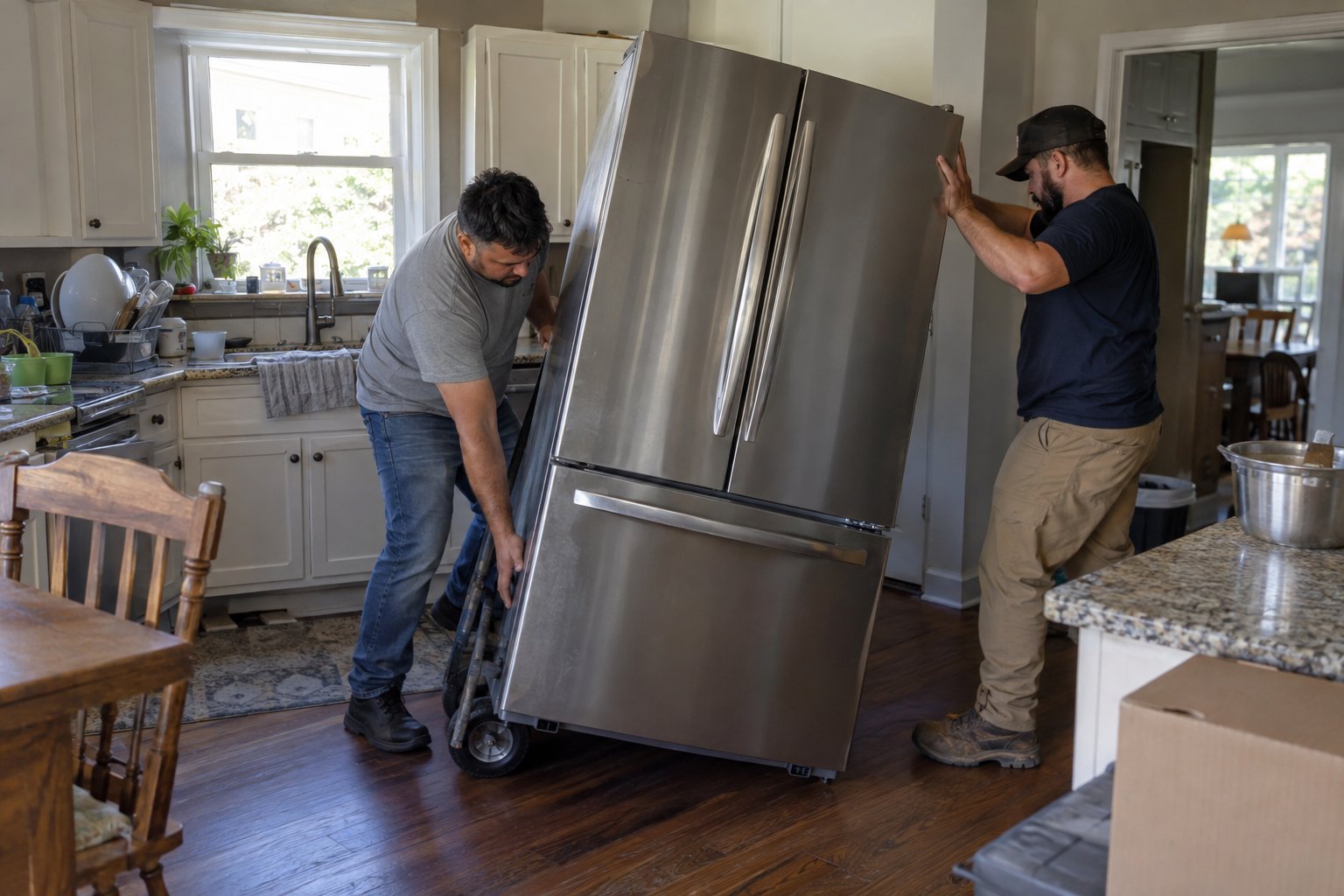
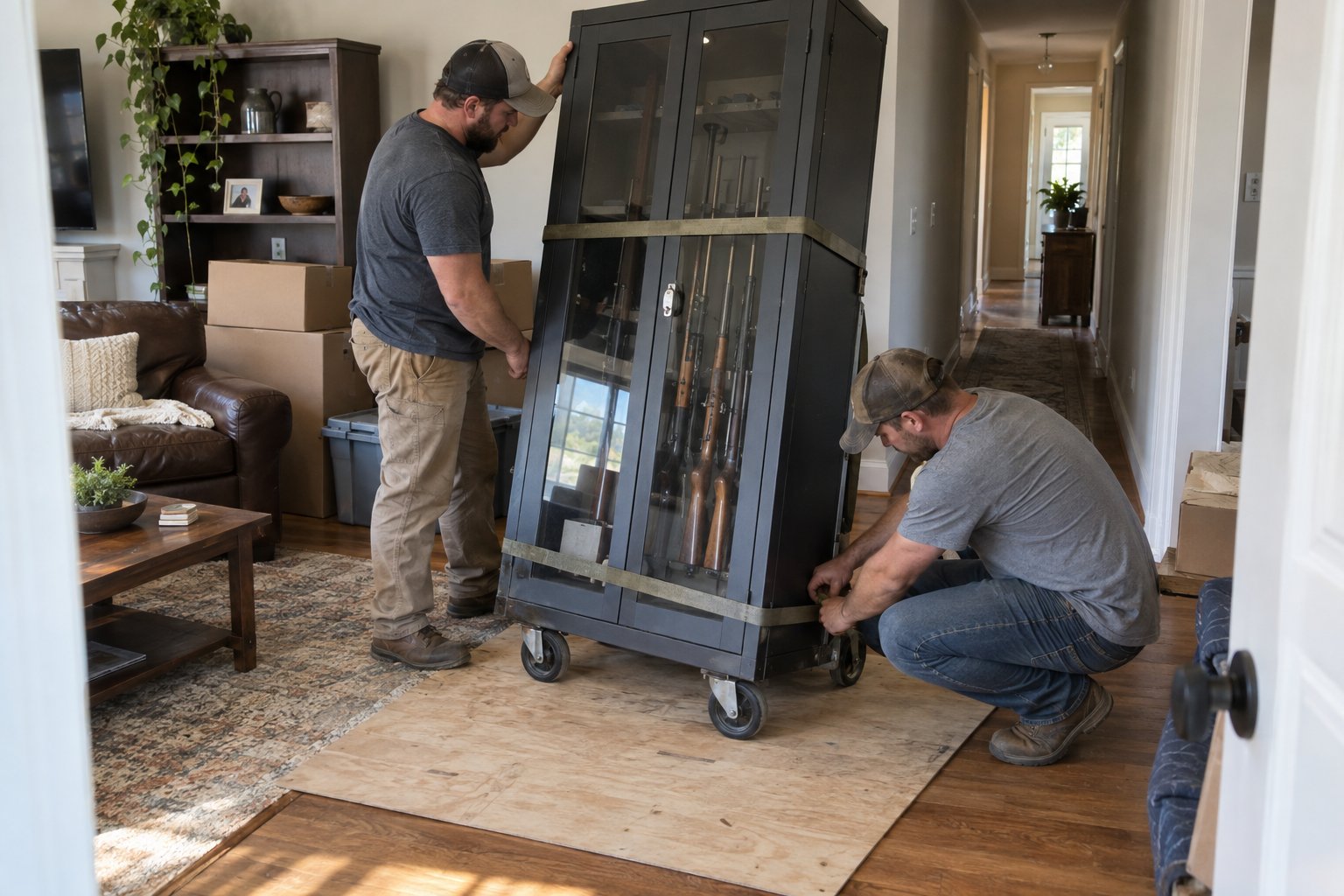
Beyond the base hourly rate, expect potential charges for stairs, long carries, bulky or specialty items, and packing materials if you want the crew to pack for you. None of these are necessarily red flags, but they should be disclosed before moving day, not discovered on the invoice.
A company that walks you through these possibilities during the quote process, rather than after the truck is loaded, is generally one worth trusting. Our guide on how to choose a moving company covers the red flags to watch for beyond just price.
Yes, a local move within the Nashville metro area is almost always less expensive than a long-distance move, because you are paying for hours of labor rather than mileage, weight, and multi-day logistics. Local moves also avoid the fuel surcharges and overnight crew costs that come with longer relocations.
That said, "local" can still mean a meaningful price difference depending on where you are headed. A move from downtown Nashville out to Franklin or Brentwood takes longer than a move within the same neighborhood, and that added drive time shows up in your final bill even though it is still priced as a local job. If your move crosses into a genuinely long-distance category, our long distance moving services page outlines how that pricing structure works differently.
The most reliable estimates come from an in-home or video walkthrough, not a phone call where you guess at your own inventory. A company that quotes a firm number without seeing what you own, or one that quotes suspiciously lower than every other estimate you received, deserves a second look before you book.
A few habits make the process smoother on your end:
Once you have a few real numbers in hand, it becomes much easier to build an accurate moving budget instead of relying on a single ballpark figure pulled from a search result.
If you already have a truck, whether rented or borrowed, hiring movers for labor only can reduce your overall cost while still removing the physical burden of loading and unloading. This works well for people who are comfortable driving the truck themselves but want experienced hands doing the heavy lifting and careful loading.
Labor-only pricing is typically hourly as well, just without the truck and fuel costs baked in. It is worth asking any company you are comparing whether they offer this option, since it can be a meaningful way to control cost without taking on the full risk of loading a truck yourself. Our labor only service page covers how this option is structured for households in the Nashville area.
Whatever combination you land on, the number you get on the phone should not be treated as final until someone has actually seen (or watched a video of) what you are moving. When you are ready to compare real numbers for your home, get a moving quote based on your actual inventory rather than a rough guess.
Many local moving companies include drive time between your old and new address as part of the billable hours, especially if the two locations are more than a few miles apart. It is worth confirming this detail before booking, since it can meaningfully change your final total compared to the initial estimate.
Booking three to four weeks ahead generally gives you the most flexibility on scheduling and pricing, since weekends and the end of the month tend to fill up fastest. Booking last minute is possible but often means fewer date options and sometimes higher rates due to limited crew availability.
A binding estimate guarantees a flat price regardless of how long the job takes, which can offer peace of mind, but it usually requires a detailed in-home or video inventory to be accurate. An hourly estimate can end up cheaper for a straightforward move but carries more risk if the job runs longer than expected.
Tipping is common but not required, and the amount usually depends on the size and difficulty of the job. Many people tip per mover based on a percentage of the total bill, or a flat cash amount reflecting how physically demanding the move was.
Weekdays, especially mid-month, tend to be less in demand than weekends and the first or last few days of the month, when leases typically turn over. If your schedule is flexible, asking about weekday availability can sometimes open up better rates.
Whether you’re moving a home, apartment, office, or just a few heavy items, We Haul Nashville is ready to help make the process easier.