Written by:
Pierce J.
Published:
July 17, 2026
Learn how to move a wine collection without breaking bottles or ruining labels. Step-by-step packing, temperature, and transport tips from We Haul Nashville.
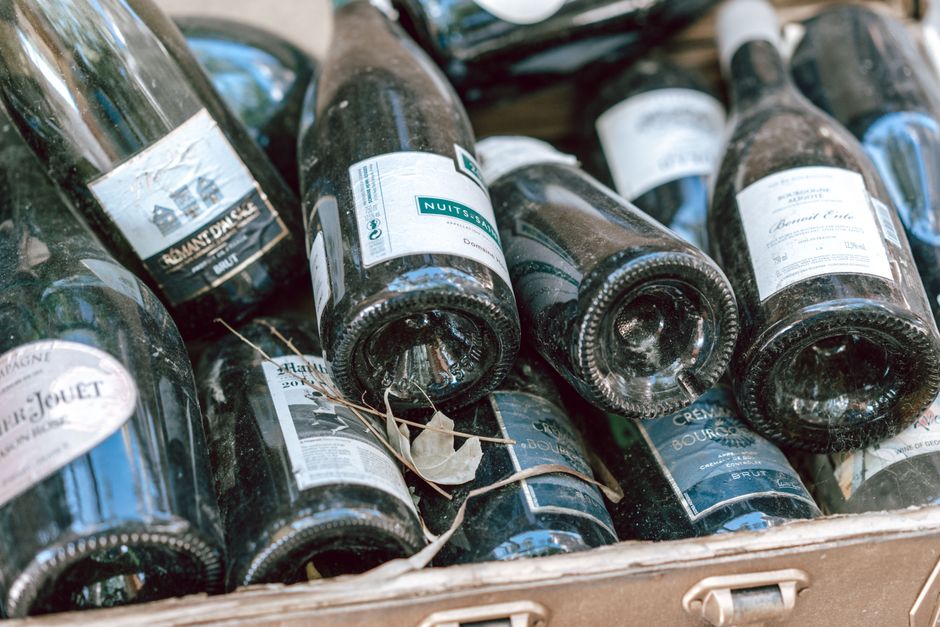
Knowing how to move a wine collection is something most people do not think through carefully until they are standing in front of a dedicated wine refrigerator that holds two hundred bottles, a wall rack assembled directly onto studs that was never meant to come down, a collection of mixed cases organized by region and vintage, and a handful of irreplaceable bottles that cost more individually than most pieces of furniture in the house. A wine collection looks like a straightforward packing job on the surface — after all, it is just bottles. Get close enough to start handling it and the picture changes fast. Glass breaks without the right cushioning, temperature swings during transit can alter a wine's chemistry in ways that are not immediately obvious, and labels that have been carefully maintained for years can be ruined by a single layer of damp packing paper. Understanding how to move a wine collection means approaching it with a real plan before a single bottle leaves the rack.
This guide walks you through how to move a wine collection from start to finish: how to audit your bottles and decide what is worth the effort of moving carefully, how to pack individual bottles and full cases to survive the road, how to manage temperature and humidity concerns during transit, how to disassemble and relocate wine storage furniture and refrigeration units, and how to get your collection properly stored again at your new home without damage, loss, or any unpleasant surprises when you finally open a bottle. Whether your collection is a climate-controlled cellar with hundreds of bottles organized by appellation, or a single wine fridge and a dozen cases you have been accumulating over a few years, these steps will carry you through the move without the breakage, spoilage, and frustration that wine moves so often produce when they are not planned carefully.
Before you pack a single bottle or disassemble a single rack, spend real time taking stock of everything in your collection. A move is the best possible opportunity to evaluate your wine honestly — not just for what is worth keeping, but for what is worth the effort and cost of protecting carefully during transport. That distinction matters, and it will shape every decision you make from packing materials to moving day logistics.
If you do not already have a written or digital inventory of your collection, create one now. Go bottle by bottle and note the producer, vintage, appellation, approximate value if you know it, and its current storage position — whether it is laying flat in a rack, standing upright in a case, or stored in a temperature-controlled unit. This catalog serves two purposes: it gives you a complete picture of what needs to move, and it creates a record you can reference if anything is lost or damaged in transit. Take photographs of the full collection and of any individual bottles with especially significant labels or provenance documentation.
Not all bottles in a collection carry the same stakes. Everyday drinking wines that you picked up for under twenty dollars are fundamentally different packing and handling situations than aged Burgundies, vertical sets you have been building for a decade, or bottles from producers who are no longer in business. Sort your collection into tiers. Your most valuable and irreplaceable bottles deserve the most careful individual packing treatment and should be loaded last and unloaded first. Lower-stakes bottles can travel in standard divided moving boxes without as much individual attention. Knowing the tiers before you start packing keeps you from wasting premium packing materials on bottles that do not need them — and from under-protecting the ones that do.
Moving wine costs real money — in specialized boxes, packing materials, careful labor, and if you are crossing state lines, potential regulatory considerations. Take a realistic look at any bottles that are already past their drinking window, have compromised corks, show signs of seepage around the capsule, or have significant label damage. Bottles that you have been meaning to open for years and never quite gotten around to may be better candidates for a goodbye dinner than for careful packing and transport. Be honest at this stage. Every bottle you decide not to move is one less thing to protect, one fewer risk of breakage, and one less box to carry.
Packing is where most wine moves go wrong. Standard moving boxes without proper internal structure allow bottles to contact each other, and contact means breakage. The goal of good wine packing is threefold: cushion each bottle individually, prevent any movement inside the box, and keep the box light enough to handle safely without stacking too high.
Purpose-built wine moving boxes — the kind with individual cardboard or molded pulp cell dividers — are the right tool for this job. They keep bottles separated so no glass can contact glass in transit, and they are sized so bottles fit snugly without significant empty space. These boxes are available at moving supply stores, many liquor stores, and online retailers. If you can source them, they are worth the cost compared to improvising with general-purpose boxes. Standard bottle counts per box for these cells are typically twelve or fifteen bottles — do not overfill, and always keep weight manageable.
Even inside a divided box, wrap each bottle individually in at least two full layers of unprinted packing paper or bubble wrap. Start at the neck, roll the bottle down through the paper, and tuck the ends in at the base. For bottles with labels you want to preserve, use only clean, dry, unprinted paper — newsprint ink can transfer to wet or humid labels. Bottles with older, more fragile labels may benefit from a loose layer of tissue paper against the label before the outer packing wrap. The goal is padding that absorbs any shock without putting mechanical pressure directly on the glass or the label.
For wines with natural cork closures that you intend to age further, keep bottles horizontal during packing and transport when possible — this keeps the cork in contact with the wine and prevents it from drying out. For bottles with screw caps or synthetic closures, orientation matters less. If you are packing bottles vertically in divided boxes, that is acceptable for a short-distance move of a few hours, but for longer transport, horizontal is preferable for corked bottles. Lay boxes on their sides and mark them clearly so no one on moving day inadvertently stands a horizontal-packed box upright and leaves it that way for hours.
After each bottle is wrapped and placed, fill any remaining space in the box with crumpled packing paper so nothing can shift during transit. A bottle that moves even an inch inside a box can build up enough momentum to crack. Close and tape every box thoroughly on all seams — wine boxes need firm sealing because they will likely be handled multiple times between your current home and your new one. Label every box with its contents, the tier of the wine inside (everyday, mid-range, premium, reserve), and orientation arrows if bottles are packed horizontally. The clearer your labeling, the better your moving crew can handle the boxes appropriately.
Temperature is one of the most overlooked risks in moving a wine collection, and it is also one of the hardest to fully control. Wine that is subjected to significant heat — particularly inside a moving truck during summer months — can suffer in ways that are not visible when you unpack it. Heat accelerates the aging process, can push corks slightly out of bottles causing seepage, and in extreme cases can cook wine in a way that permanently changes its flavor profile. Humidity swings, while less immediately dangerous, can cause label damage that is irreversible.
If you have any flexibility in your moving timeline, plan your wine transport for cooler parts of the day or cooler seasons of the year. In Nashville, summer temperatures inside an enclosed moving truck can exceed the outdoor temperature significantly — moving wine in July at noon is a meaningfully different risk than moving it in October at eight in the morning. If you are doing a local move and can get from origin to destination in under a few hours, temperature risk is manageable with careful timing. For longer moves or moves during hot months, consider whether your most valuable bottles can travel in a climate-controlled vehicle rather than a standard truck.
On moving day, load wine boxes last so they come off the truck first and get into climate-controlled space as quickly as possible at the new location. Wine sitting in a parked truck — even for an hour while other items are being unloaded — is accumulating heat exposure. Have a designated spot at the new home that is cool, dark, and away from direct sunlight ready before the truck arrives, even if that means a temporary staging area in an interior room before your wine storage is fully set up.
Even a well-executed wine move subjects bottles to some degree of vibration and movement. Wine that has been agitated during transport benefits from a rest period before it is opened. For everyday wines, a few days is usually sufficient. For more significant bottles — particularly older wines with sediment — a rest period of a week or more is worth observing before opening. This is not a firm rule so much as a practical caution: vibration temporarily disrupts the settled compounds in older wine, and giving it time to settle back down before opening generally produces a better result.
The bottles are only part of a wine collection move. The infrastructure — freestanding racks, wall-mounted systems, wine refrigerators, and dedicated cellar cabinetry — presents its own set of challenges and deserves its own planning.
Most freestanding wine racks can be disassembled with basic tools, but the process requires patience and a clear labeling system. Empty every bottle before touching the rack structure. Photograph the rack from multiple angles before you begin disassembly so you have a reference for reassembly. Number or label each component as it comes apart if the rack has multiple identical pieces that only go together in a specific sequence. Wood racks are susceptible to cracking if forced during disassembly — loosen joints carefully and use a rubber mallet where needed rather than forcing pieces apart. Wrap wood components in moving blankets and tape them shut to prevent scratching during transport.
Wall-mounted wine racks require patching and repainting after removal in most cases, so factor that into your pre-move timeline. Before removing any hardware, photograph the wall layout and, if the system was custom-installed, note the stud locations and hardware specifications so reinstallation at the new home goes smoothly. Remove all bottles first, then carefully take down the mounting hardware without damaging the wall sections that will need to be repaired before you hand back the property or leave it for new owners.
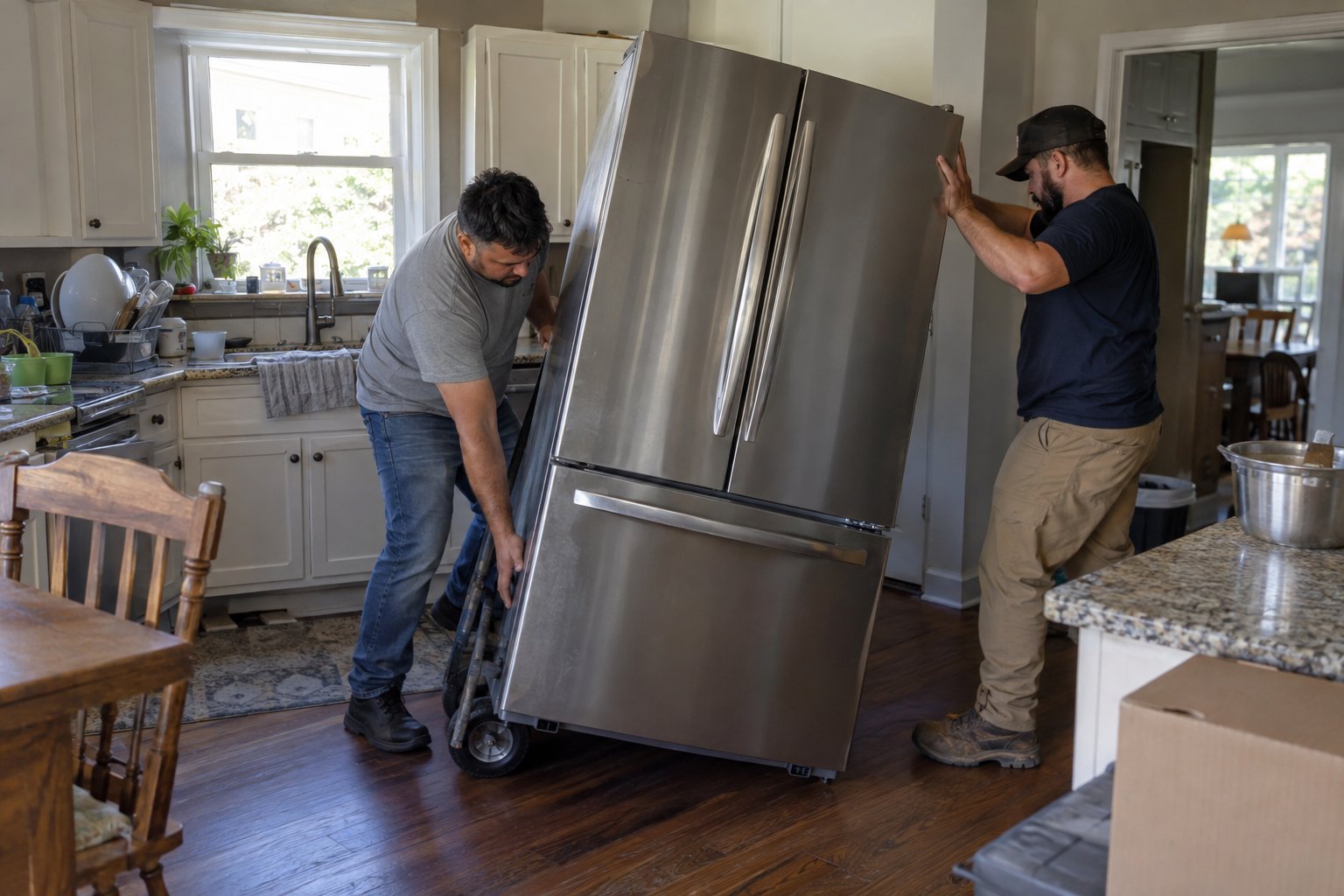
Wine refrigerators and coolers must be emptied completely before moving — the compressor and internal components can be damaged if the unit is moved while loaded. After emptying, wipe the interior dry to prevent mold during transport. Secure any removable shelving or bottle cradles inside the unit with tape or packing paper so they do not rattle and crack against the interior walls. Transport the unit upright whenever possible — tilting a refrigeration unit too far on its side can cause compressor oil to migrate into the refrigerant lines, which can cause startup problems. After the unit arrives at your new home, give it a few hours standing upright before plugging it back in. Consult the manufacturer's guidance for your specific model if you are uncertain about the appropriate waiting period.
The move is not finished when the truck is unloaded. Getting your collection properly settled at the new home — into the right conditions, organized in a way that makes sense for how you use it, and with any storage infrastructure properly reinstalled — is the final step of a successful wine move.
Before you unpack a single bottle, confirm that your storage location at the new home is ready. Ideal wine storage conditions are generally cited as being around 55°F with moderate humidity, away from direct light and sources of vibration, but even a cool interior room that stays consistently below 70°F will serve most collections well for a short-term transition. If your wine refrigerator is not yet operational at the new home, prioritize getting it set up and running so your most temperature-sensitive bottles can go in as soon as possible.
Reinstall any freestanding or wall-mounted rack systems before you begin placing bottles. It is far easier to set up the infrastructure empty than to move bottles multiple times. Once the storage system is in place, unpack bottles according to your original catalog — use the inventory you created before the move to place each bottle back into a logical, findable position. This is also a good opportunity to reorganize if your previous system had inefficiencies or if your new storage space has a different configuration than your old one.
As you unpack and place each bottle, do a quick visual inspection. Check for cracked glass, significant cork push, seepage around the capsule, or major label damage. Note any bottles that show signs of damage so you can address them — either by drinking them in the near term, or by documenting the damage if you need to file a claim with a moving insurer. Even a careful, well-planned move can produce a small number of casualties, and catching them early is better than discovering a damaged bottle after years of additional storage.
It depends on the value of your collection and the length of the move. A standard enclosed moving truck in Nashville summer heat can reach very high interior temperatures, which poses a real risk to wine — particularly aged bottles or wines with natural cork closures. For a short local move completed in a few hours, keeping boxes shaded inside the truck and loading wine last to minimize exposure time is usually adequate for everyday wines. For a more valuable collection or a longer move during hot months, consider transporting your most important bottles in a personal vehicle with air conditioning running, or discuss climate-controlled transport options with your moving company.
If purpose-built wine moving boxes with individual cell dividers are not available, the next best option is a sturdy standard moving box with careful improvised dividers. Cut strips of corrugated cardboard and weave them into a grid inside the box to create individual compartments for each bottle. Wrap every bottle in at least two layers of clean packing paper or bubble wrap before placing it, and fill all remaining space with crumpled packing paper so nothing can shift. Keep the box to twelve bottles or fewer to manage weight. This approach is more labor-intensive than buying proper wine boxes but produces comparable protection when done carefully.
Moving your personal wine collection as part of a household goods move is generally treated differently from commercial wine sales or shipping, but state laws vary and it is worth being aware of them. Most states allow individuals to transport reasonable quantities of wine for personal use across state lines as part of a household move. However, certain states have stricter regulations around alcohol importation, and if you are moving a very large collection, it may be worth confirming the rules for your destination state. This guide is informational only — consult the relevant state alcohol control authority or a licensed moving specialist if you have specific concerns about your move.
For everyday drinking wines, a rest period of a few days after a move is generally sufficient before opening. For more significant bottles — particularly older wines that have developed sediment, structured reds that are still aging, or any wine that experienced significant temperature fluctuation during the move — a rest period of one to two weeks is a reasonable precaution. The vibration and movement of transit temporarily disrupts wine, and giving it time to settle produces a more accurate representation of the wine when you open it. There is no universal rule, but erring on the side of patience tends to produce better results.
A modest wine collection of a few cases in good moving boxes can be a manageable DIY move if you pack carefully, plan for temperature control, and have reliable help on moving day. Where professional movers add meaningful value is in handling heavy storage infrastructure — large freestanding racks, wine refrigerators, built-in cellar cabinetry — and in moving situations where the collection is large enough that the packing and logistics alone represent a significant project. If your collection includes bottles of substantial value, the cost of professional help is generally modest compared to the replacement value of what you are protecting. For the packing of the bottles themselves, a careful, well-supplied DIY approach works well for most collections.
Whether you’re moving a home, apartment, office, or just a few heavy items, We Haul Nashville is ready to help make the process easier.